Denuziantentum
Why do people even have the need to denounce, blacken, betray, whistle or publicly denounce other people ... knowing whether rightly or wrongly to harm them in one form or another?
So on the surface, we're dealing with one of the lower instincts of humans. Taking advantage is certainly a strong motive for someone who denounces. Assuming that no one is born this way, being thought-provoked is a trait that people acquire throughout their lives and socialization. However, if you go one step deeper, fear and a sense of justice that is not to be underestimated are factors that determine people's actions. Fear is a basic feeling, a protective mechanism built in at the physical and mental level to ensure our survival. Fear is therefore an important indicator of danger, but it can also block or lead to exaggerated actions that are meant to avoid a loss of control. Denucians are hiding behind this facade and so you could say that denunciation also has to do with controlling and securing one's own existence.
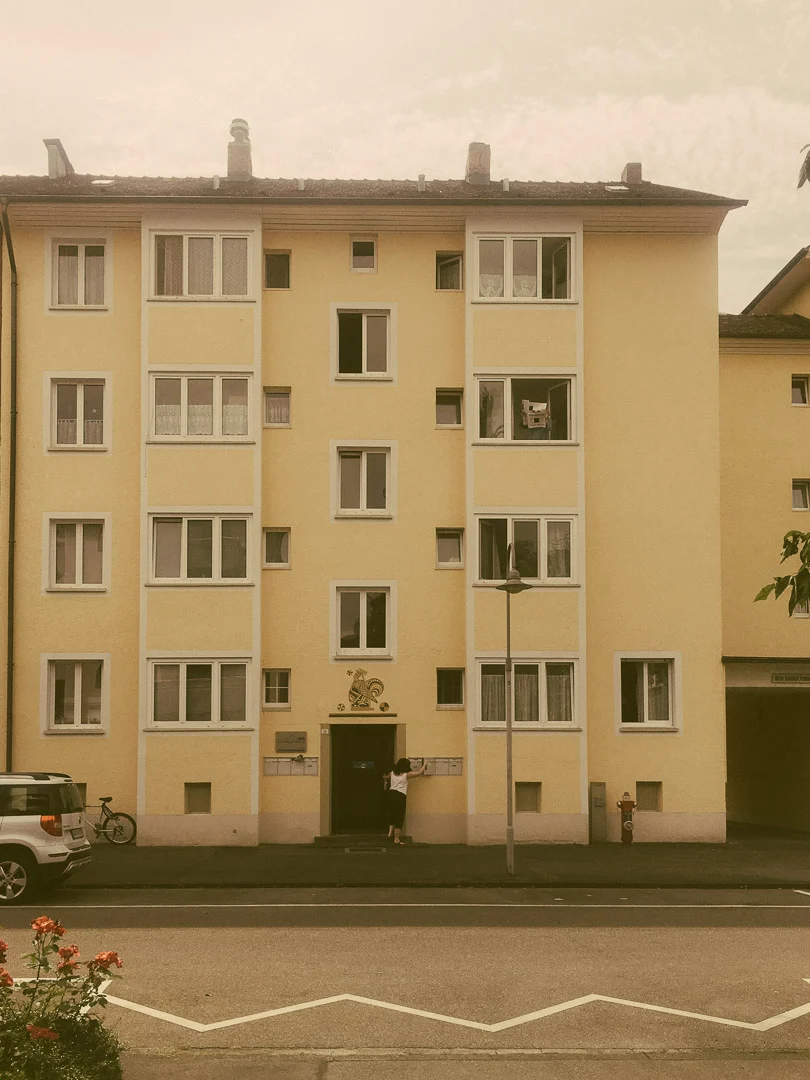
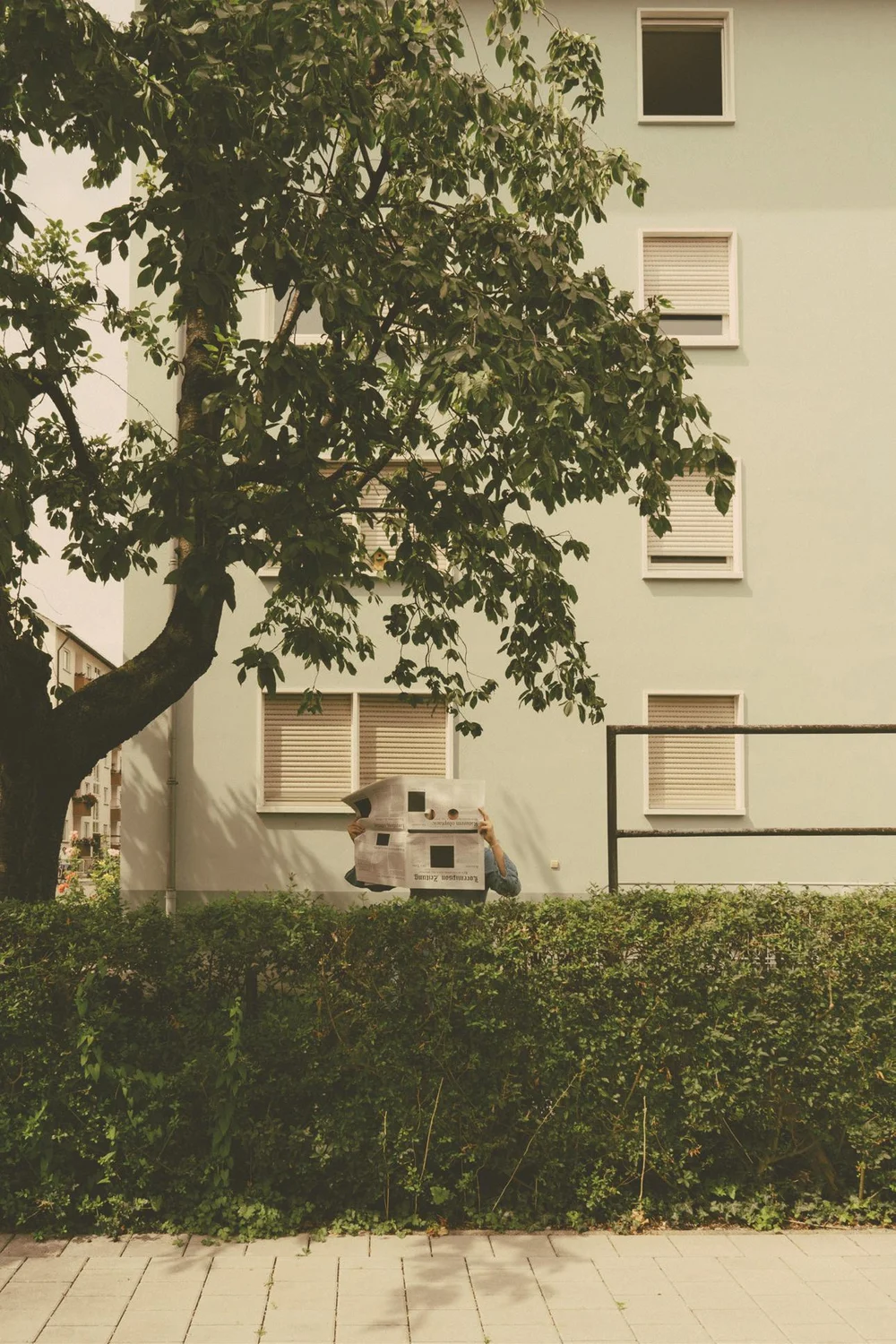
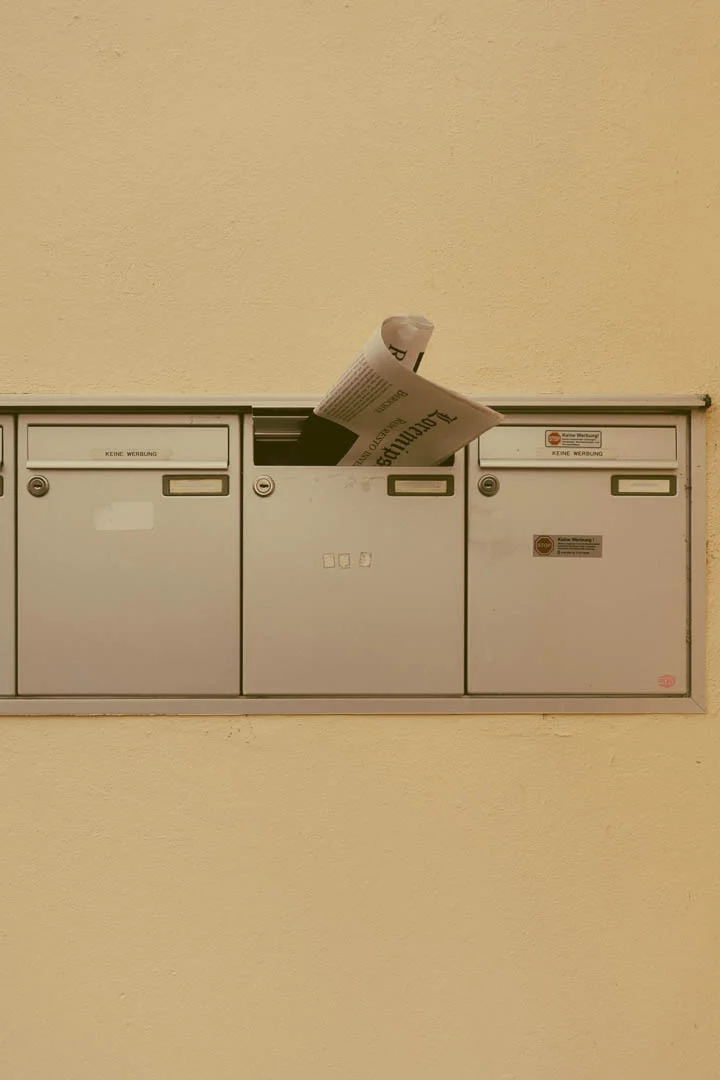
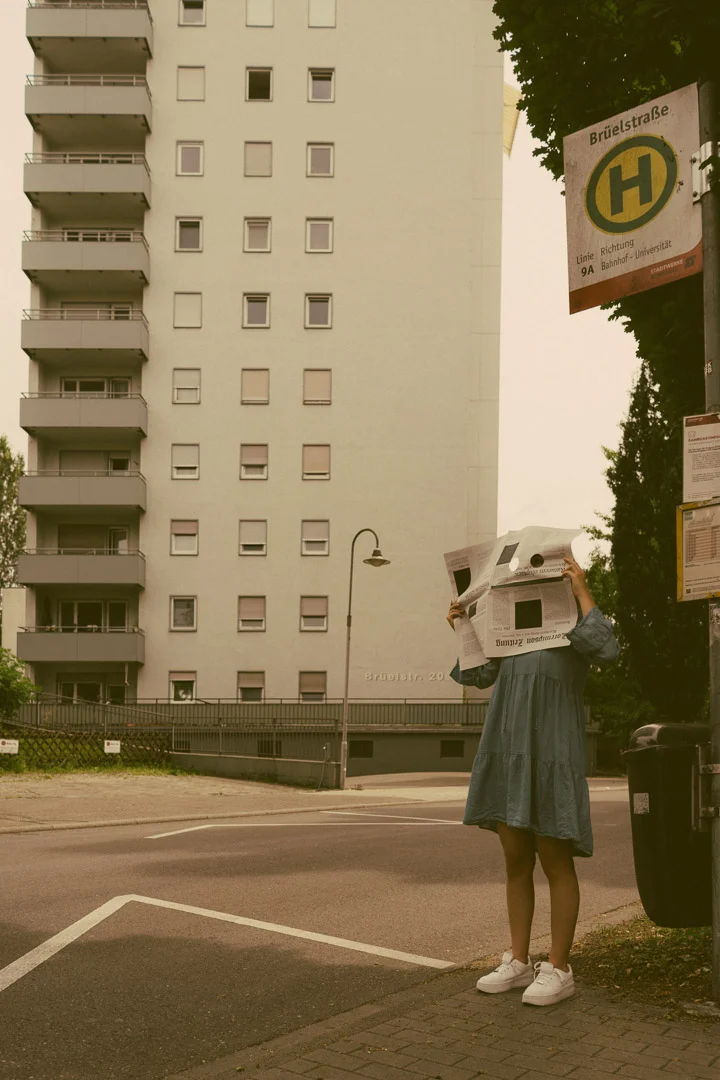



The Informer
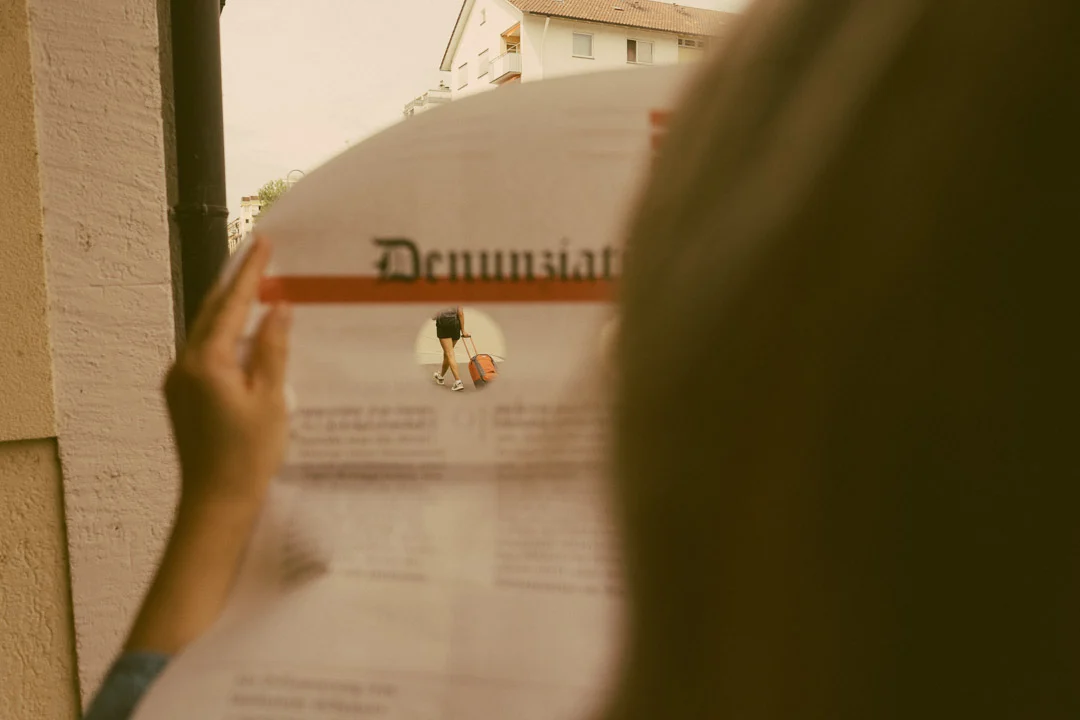
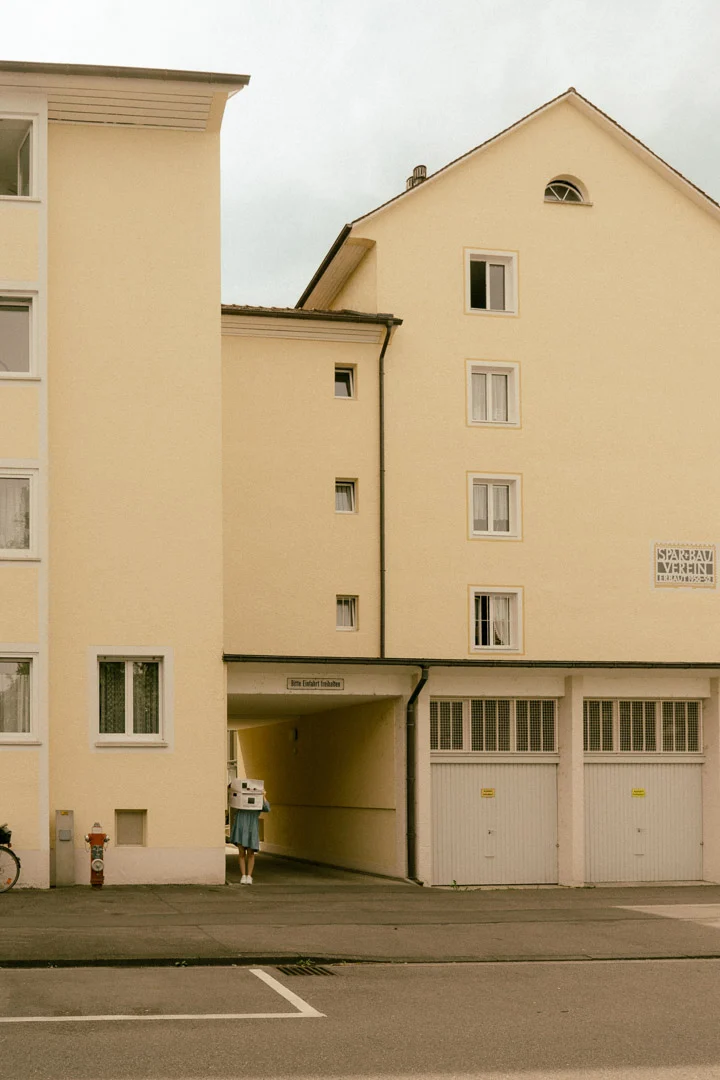
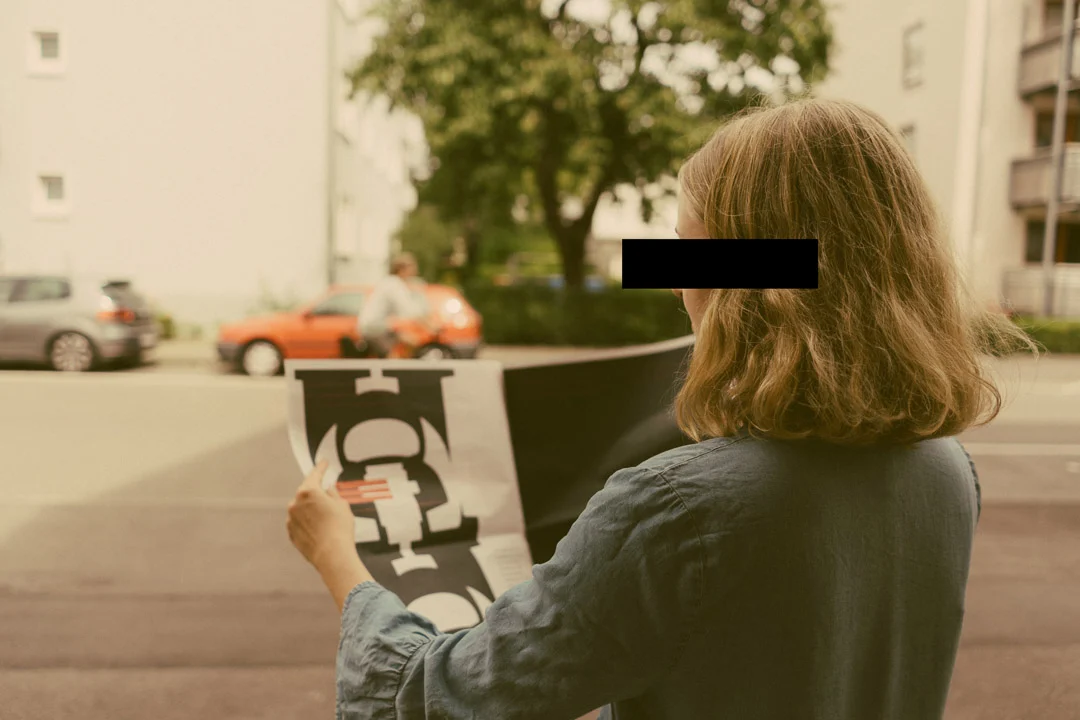
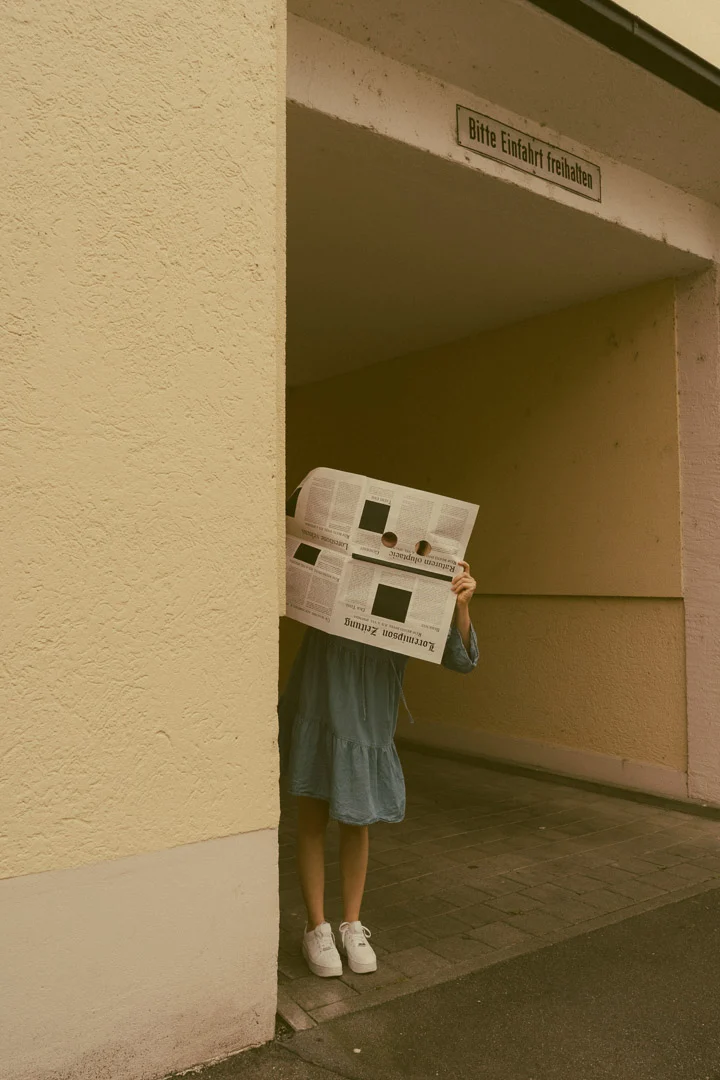
The cover as an empty shell filled with placeholder text, which stands for the mask of the denunciator and thus hold the space for the right focus in life.
Contents
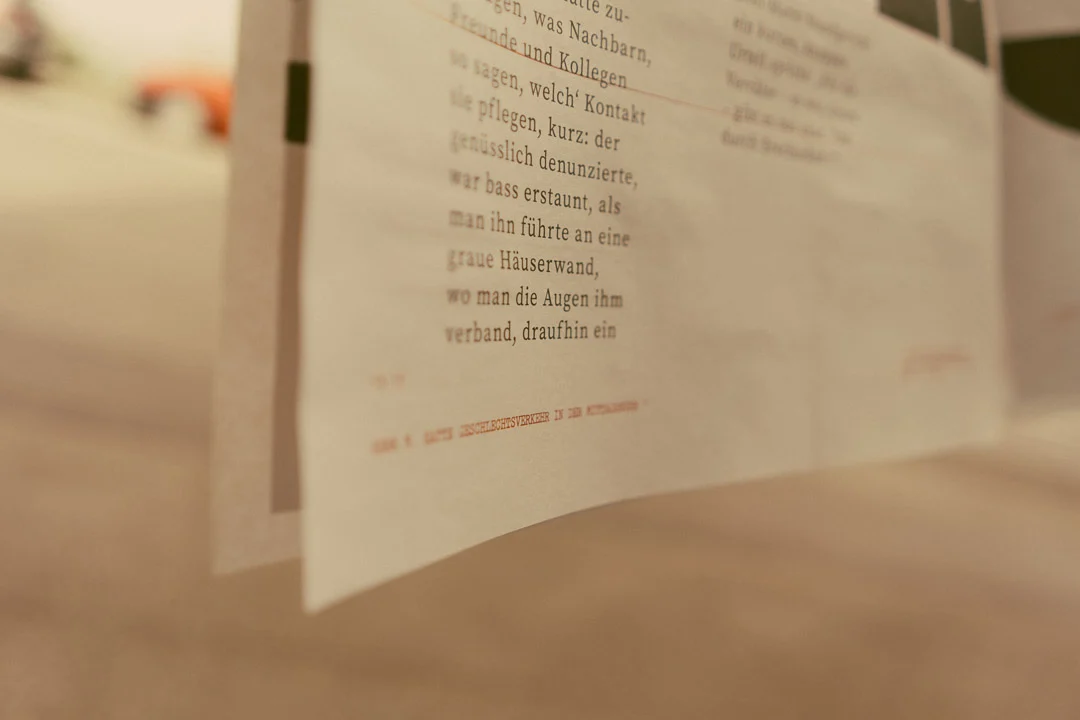
A poem about a denunciation
It contains all the characteristics and behaviors that the theme of denudation encompasses.
Author unknown
Cover
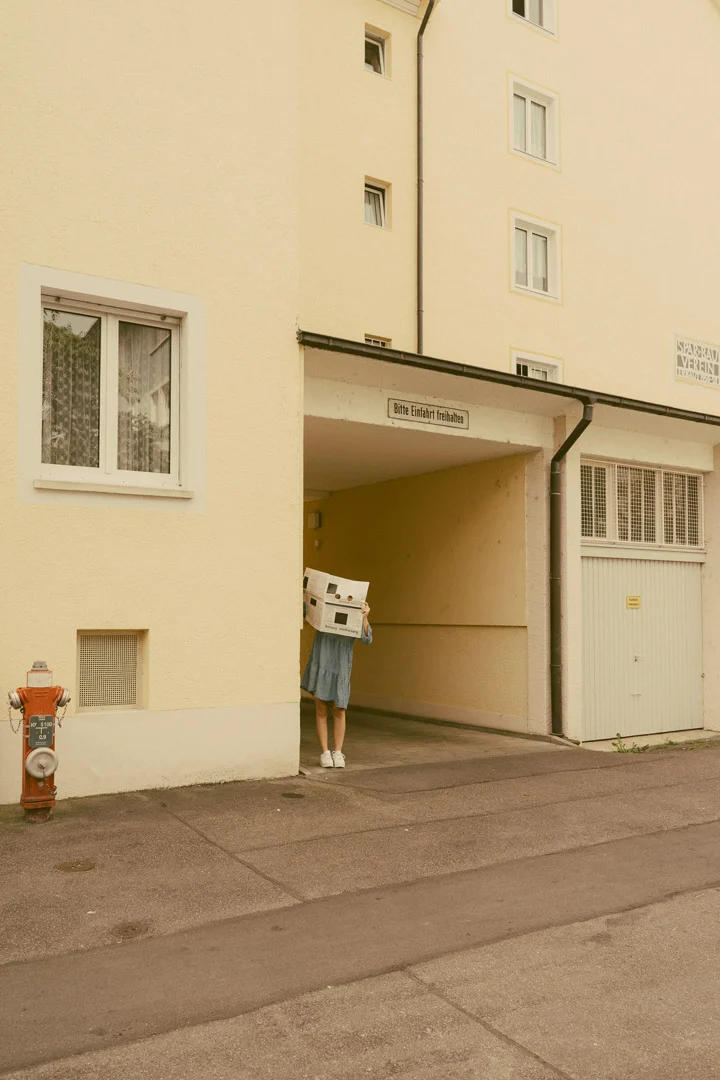
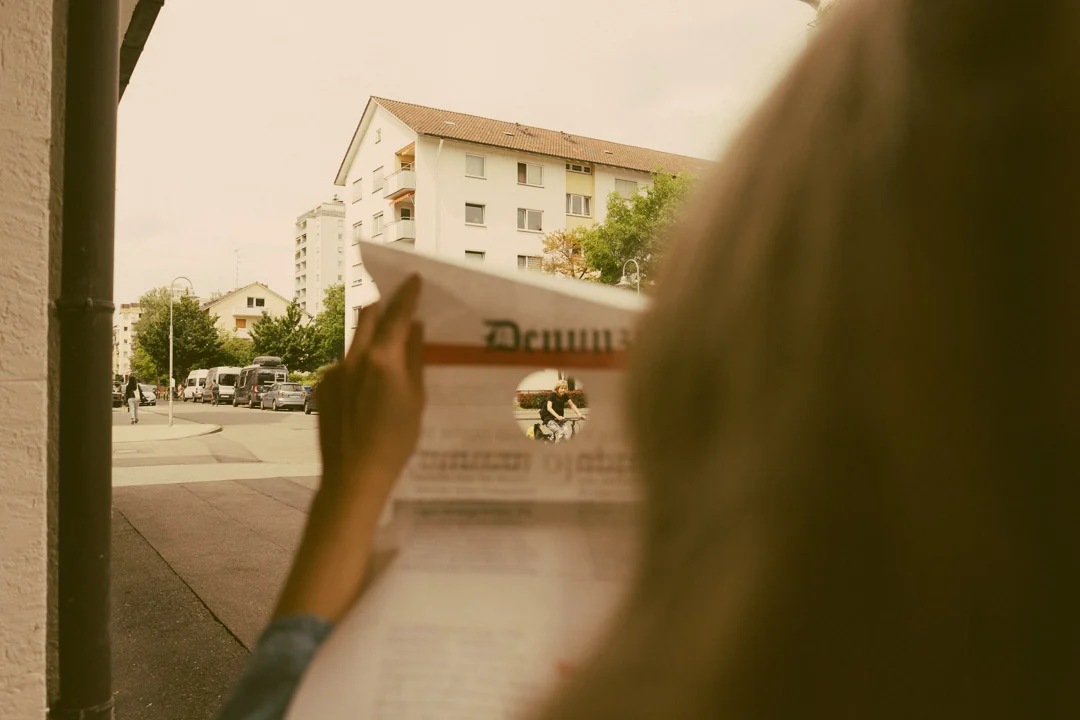
Protect the cover in the optics of a neutral newspaper the inside thus serves as the mask of the denunciator. He wants to have the appearance and not that the denunciated person or institution knows who is behind it. Most of the time he is acting to achieve a personal advantage. A display by which the denunciated person becomes observed. Since the denunciator only sets a focus on his advantage, he forgets to use the mask just as correctly, because he has a focus on the outside and away from the inside. To recognize that he carries the newspaper around the wrong way and thus allows a look into the inside to betray himself. He is accustomed to betraying himself.
Formen
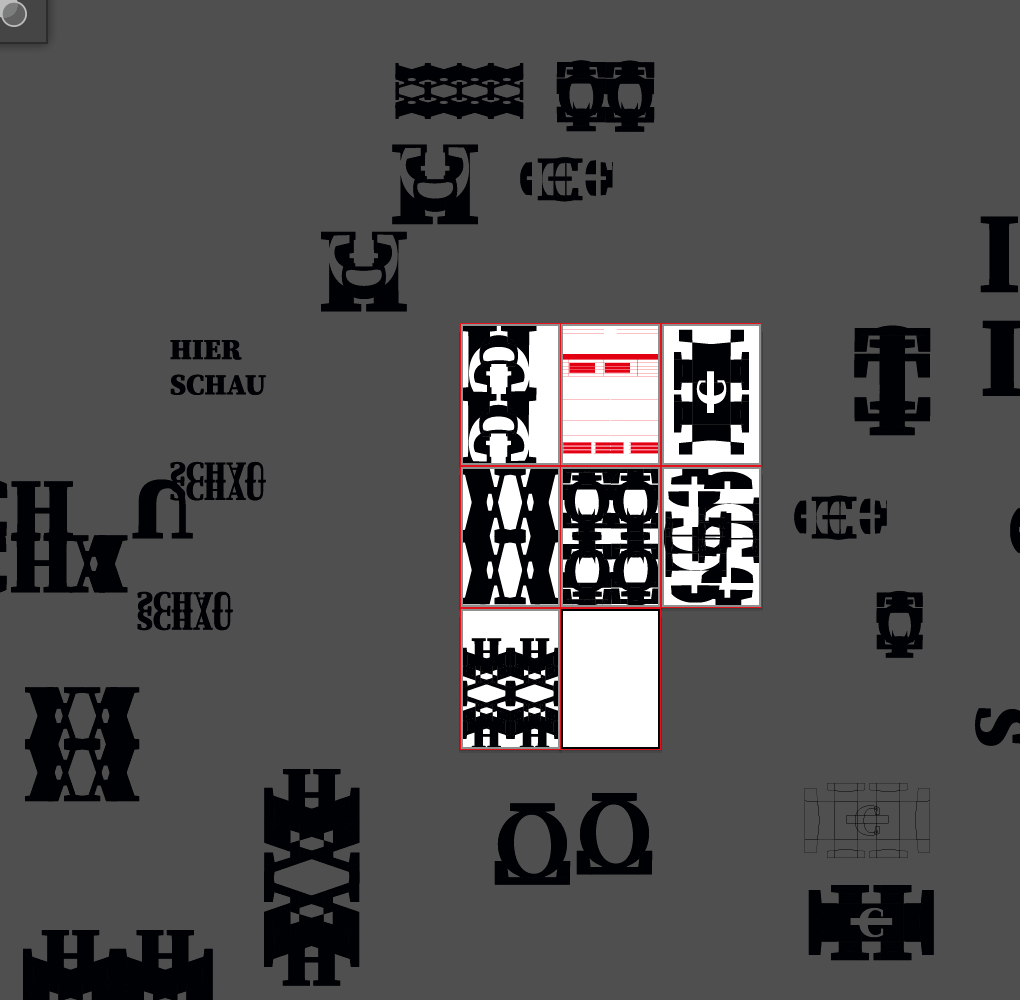
Black is the interpretive feeling of the poem sapassage which also let-ters which were formed in the words that described this state
The red elements represent the denunciator
Layout
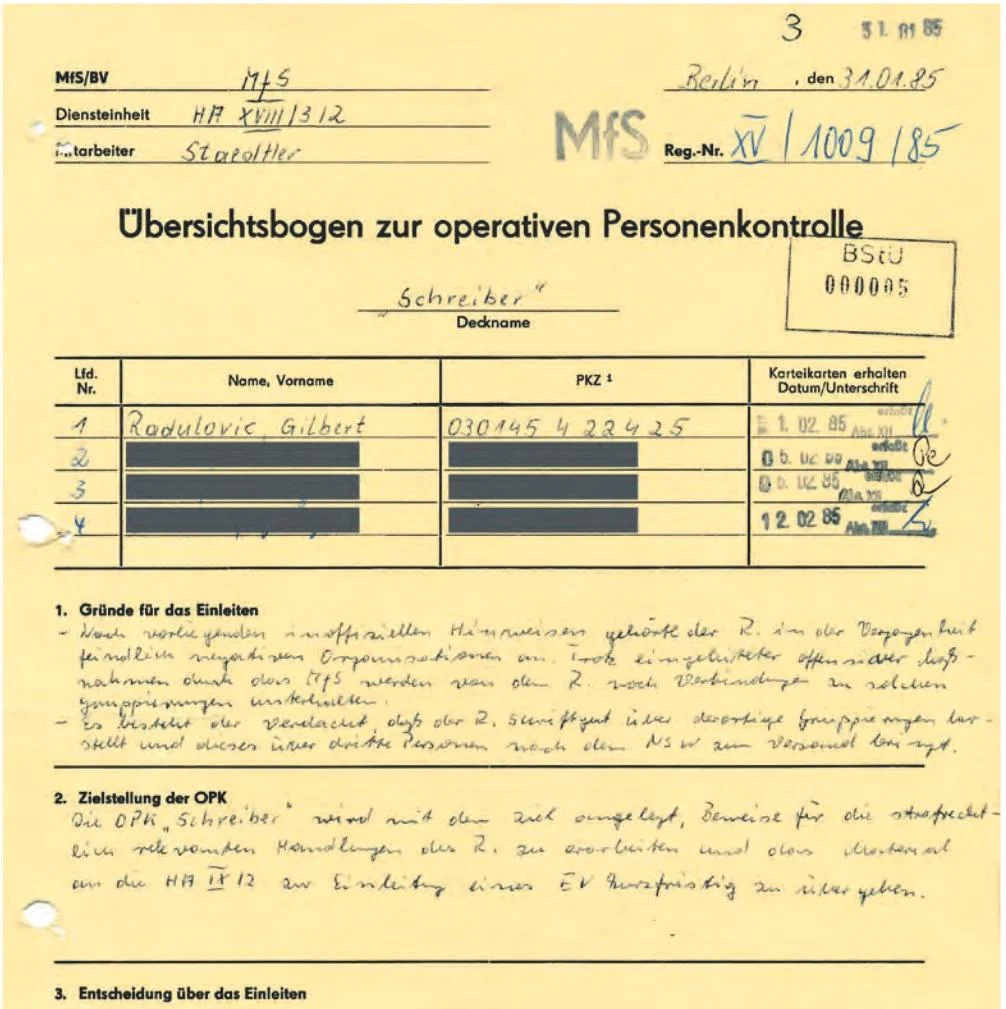
Transferring the grid wound to a person surveillance sheet used by the Stasi, the elements always appear on the sides, which is supposed to show the stiff penetration of the denunciator. Derived from the emotional world of the denunciator, that nothing can run out of his grid, he tries to gain by his action and present structure and advantage.
Page numbers
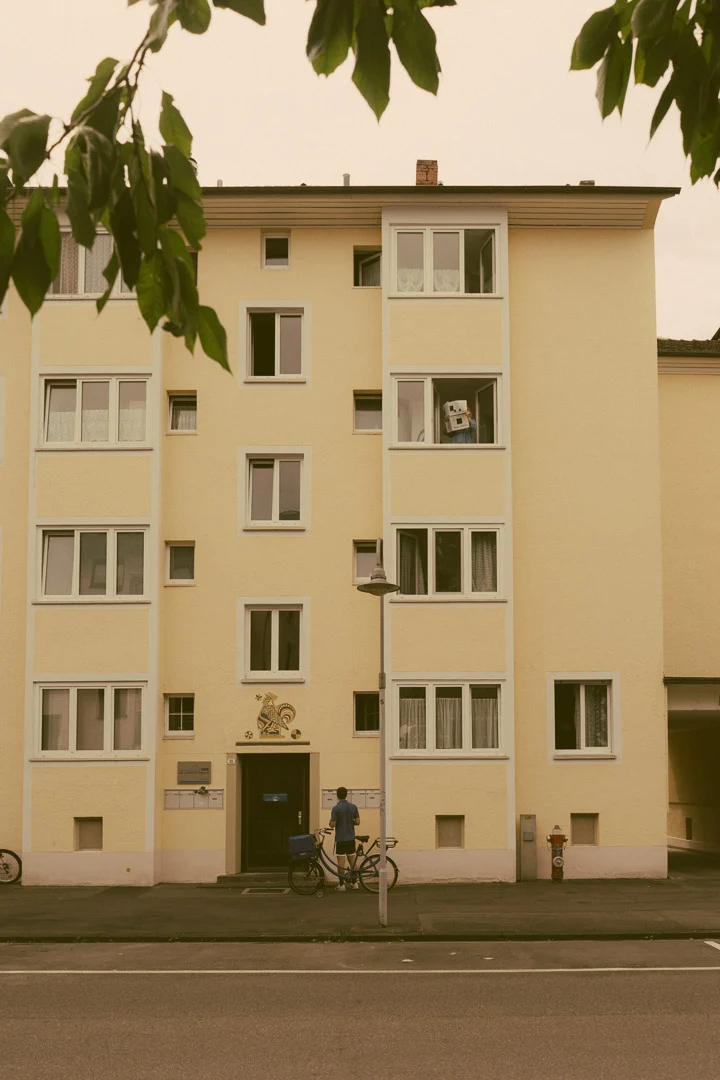
A log of a denounced person, the page numbers are a temporal sequence of his victim's daily routine, and the further you dip into the newspaper, the more extreme the cross-border accusations of trifles become, and he also crosses the physical boundary and walks into his house and looks after his children.