Moving Intention
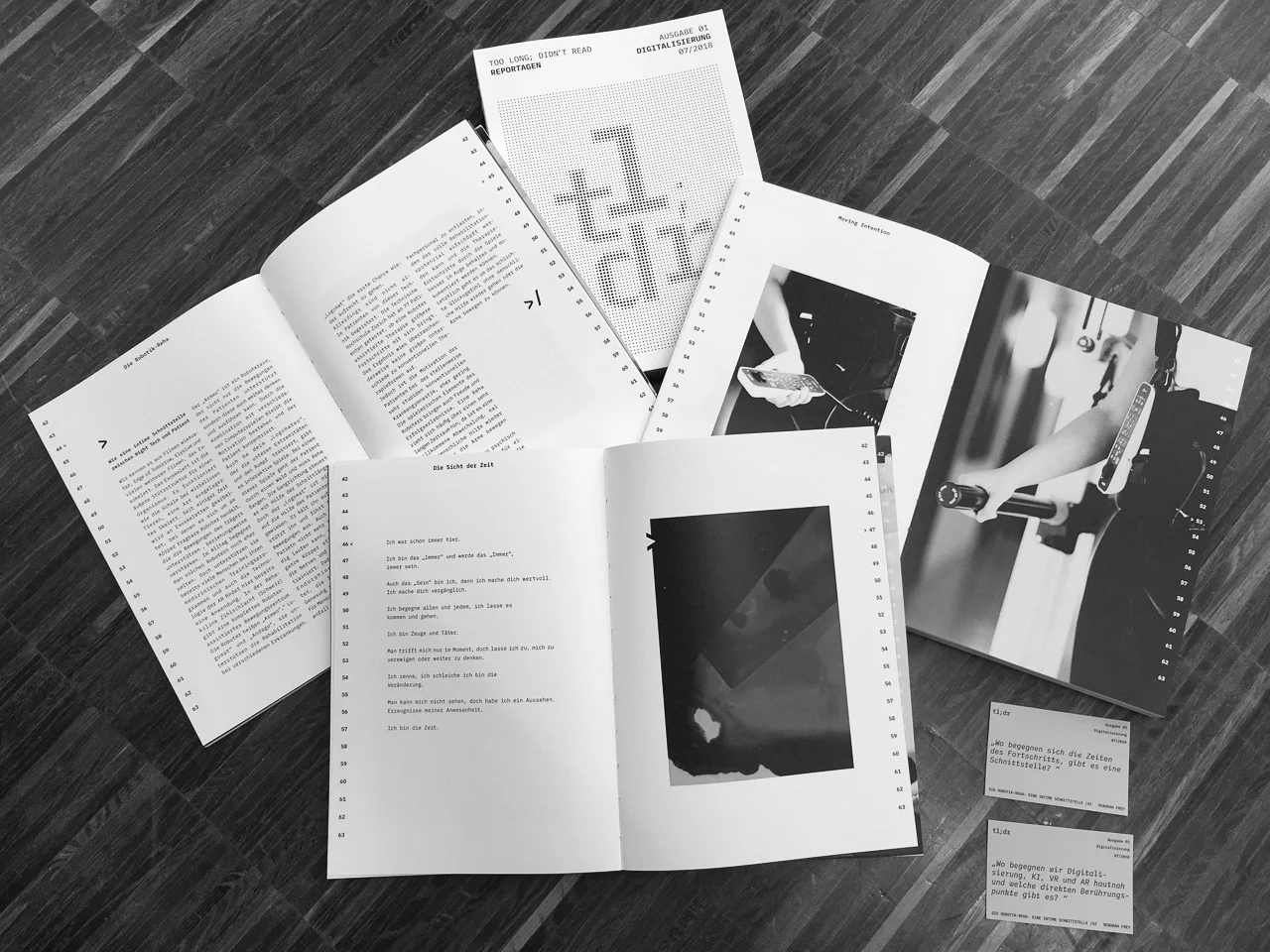
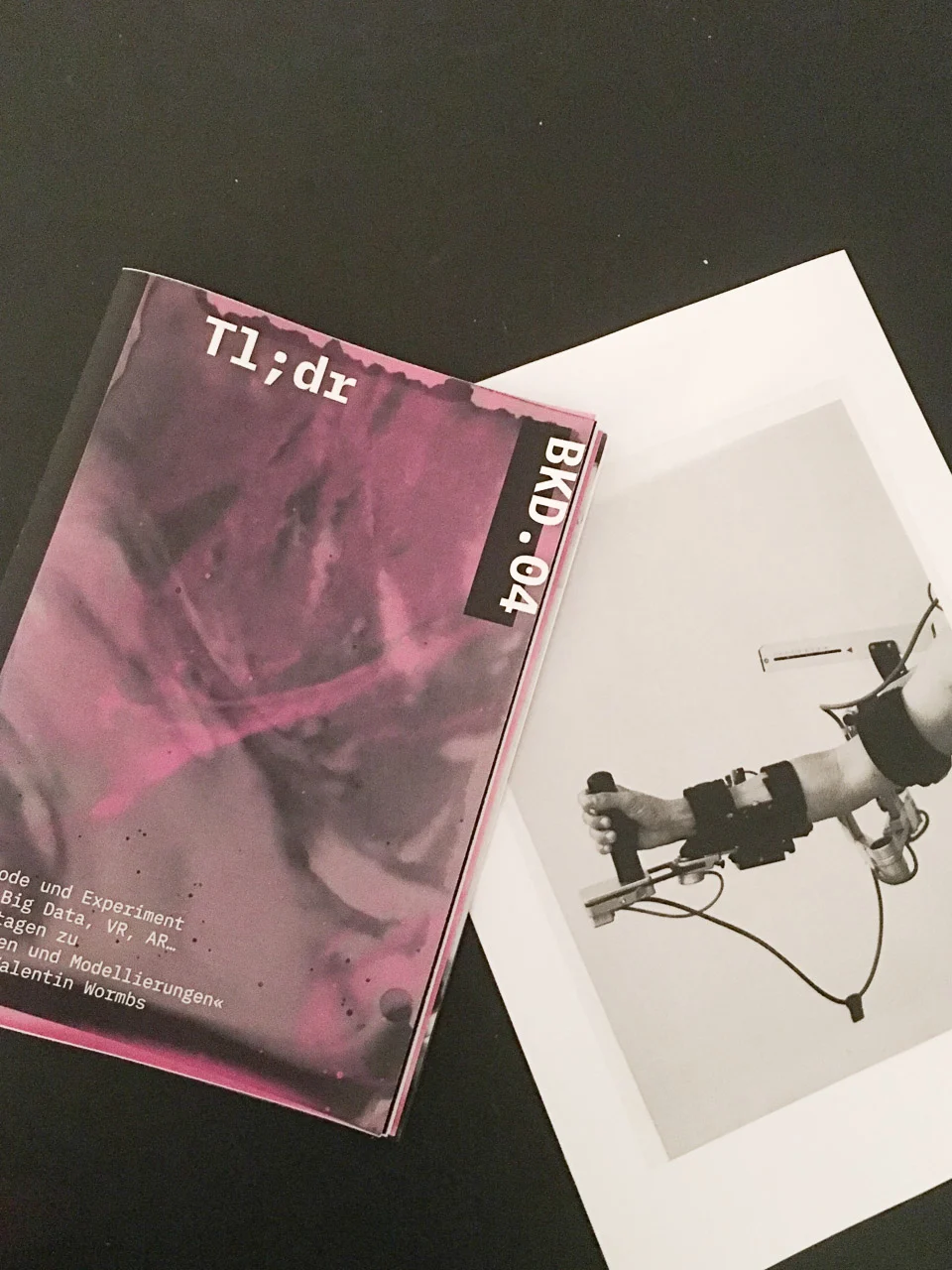
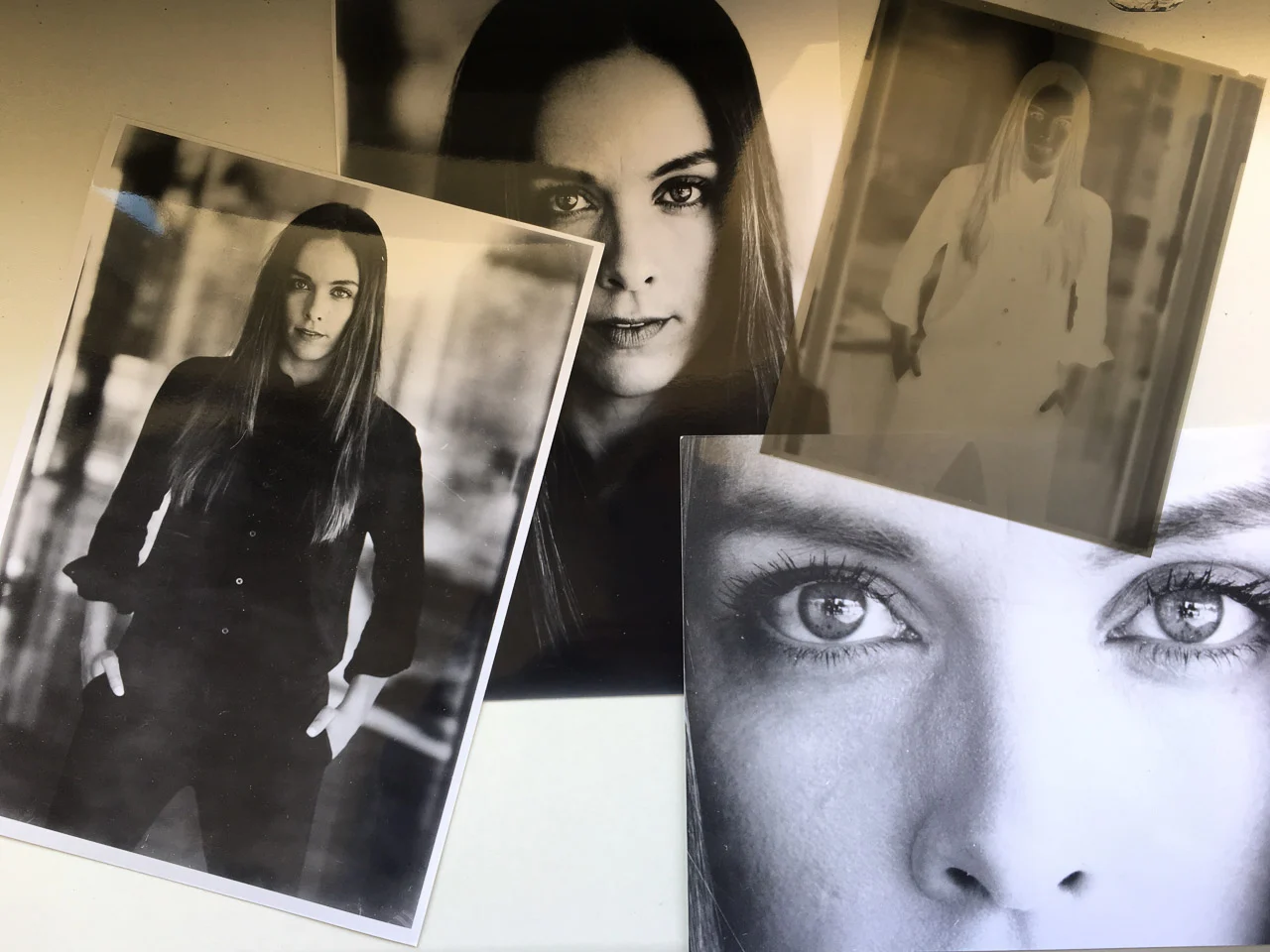
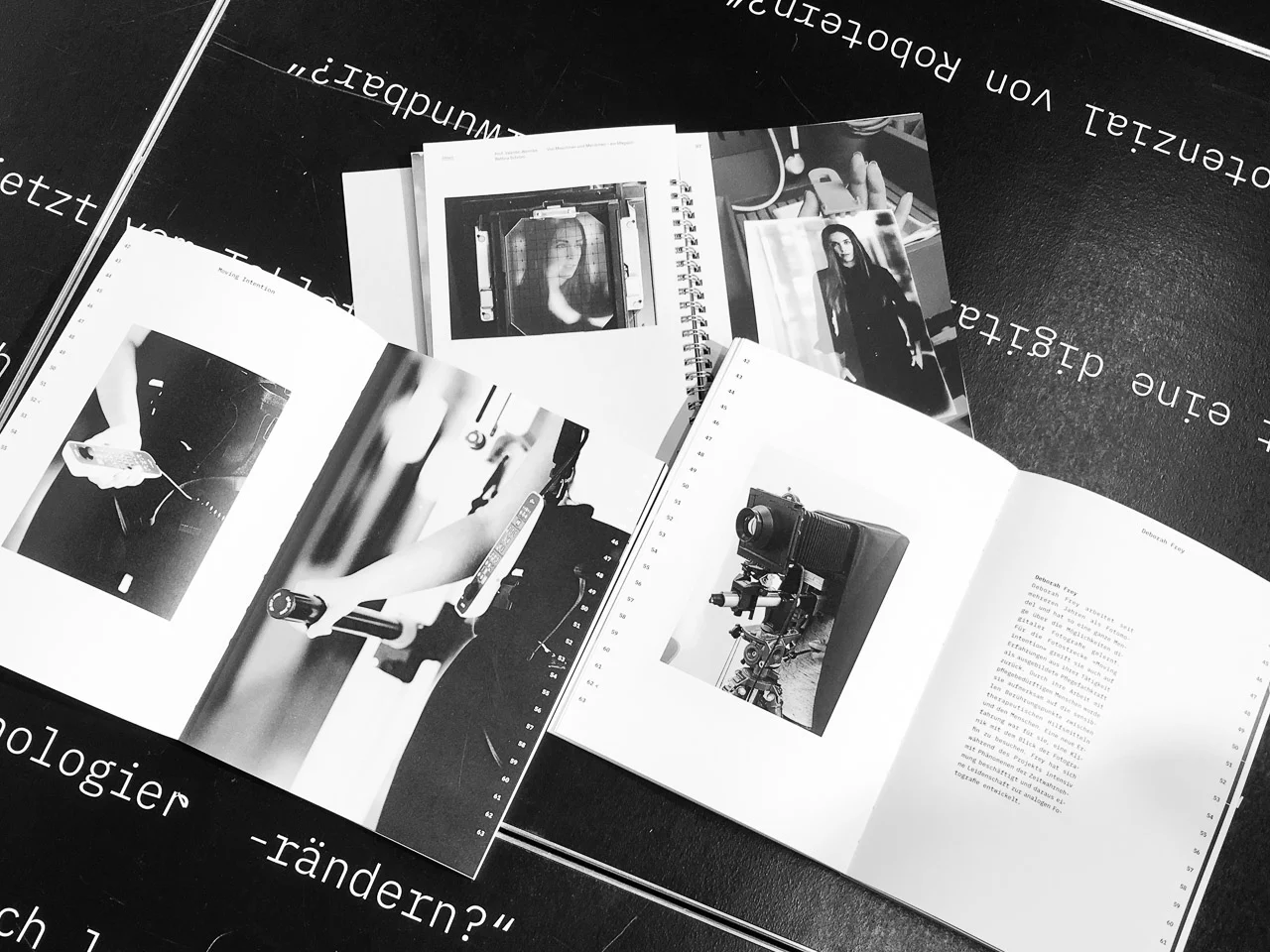
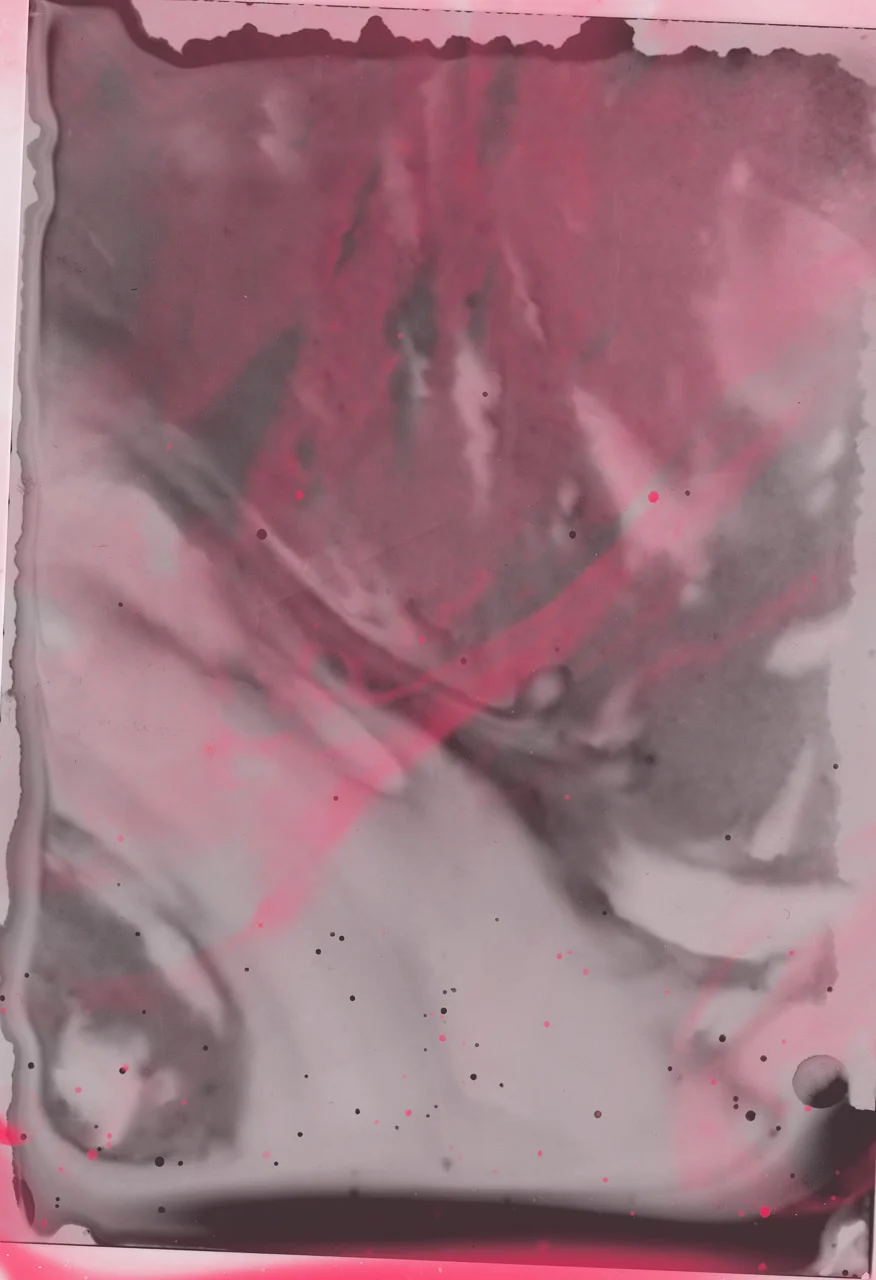
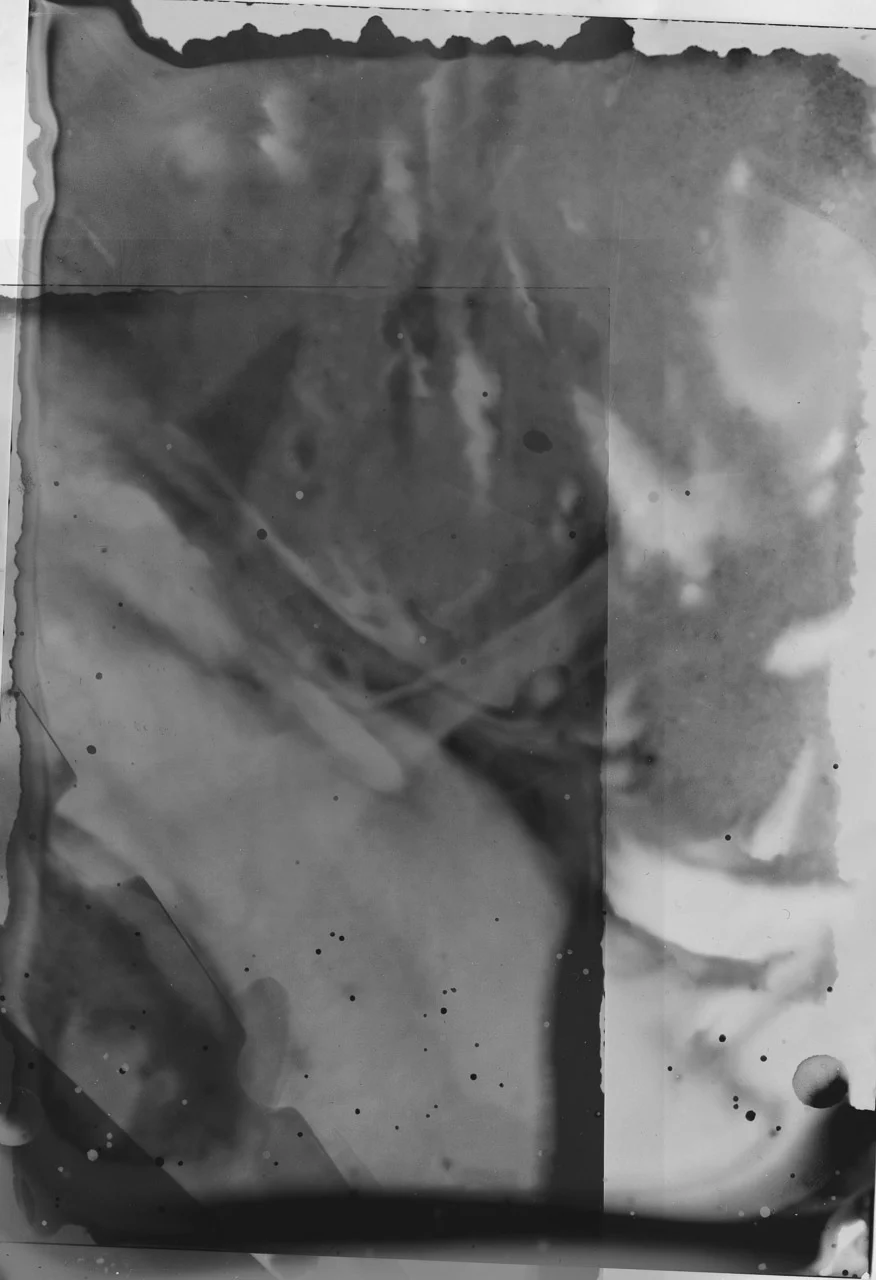
“Moving Intention” is a photographic reportage that attempts to experimentally find a touch on digitalization and record progress in the sense of change with the help of photographs. Since progress in the form of change can be measured as continuous time, time has become the metaphor of the photo series. The focus is on the encounter between the individual time strands of the future, present and past.
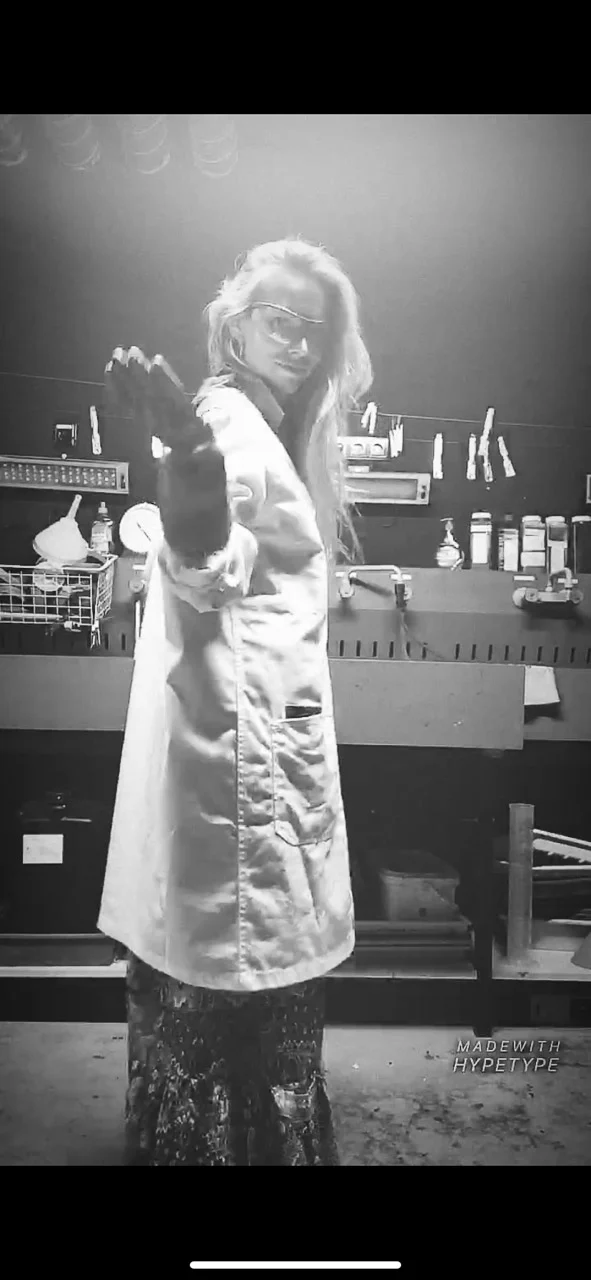
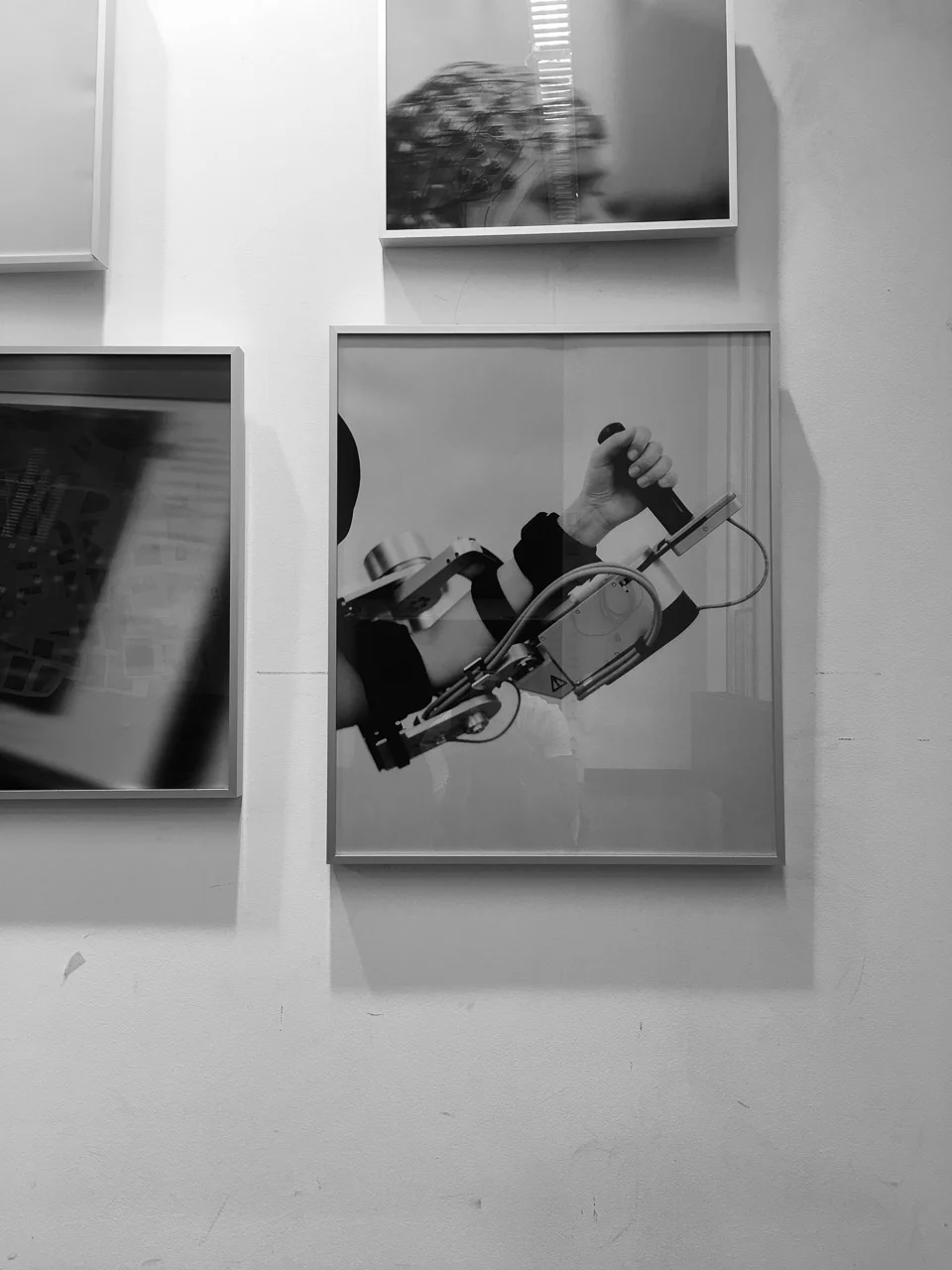
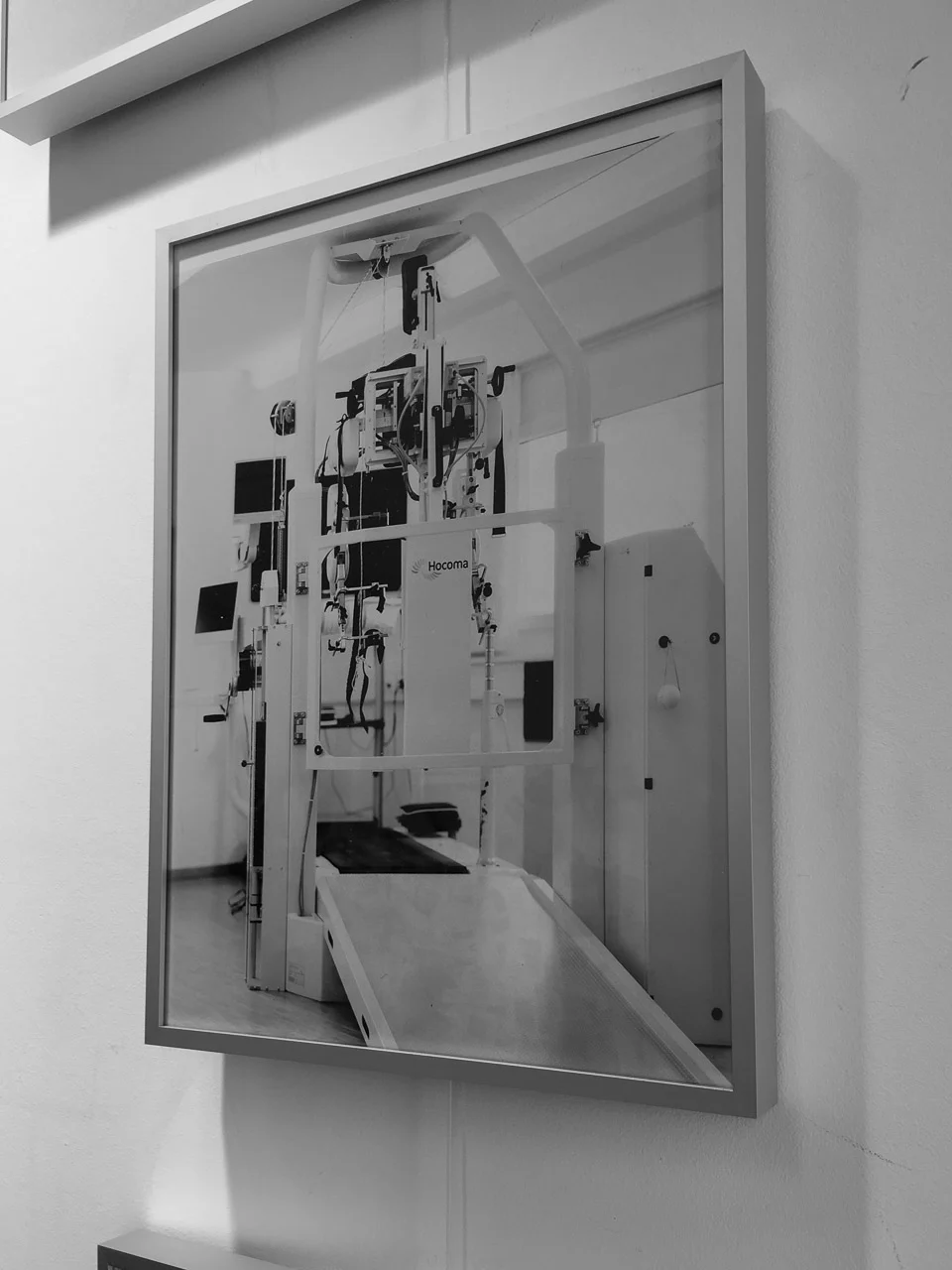
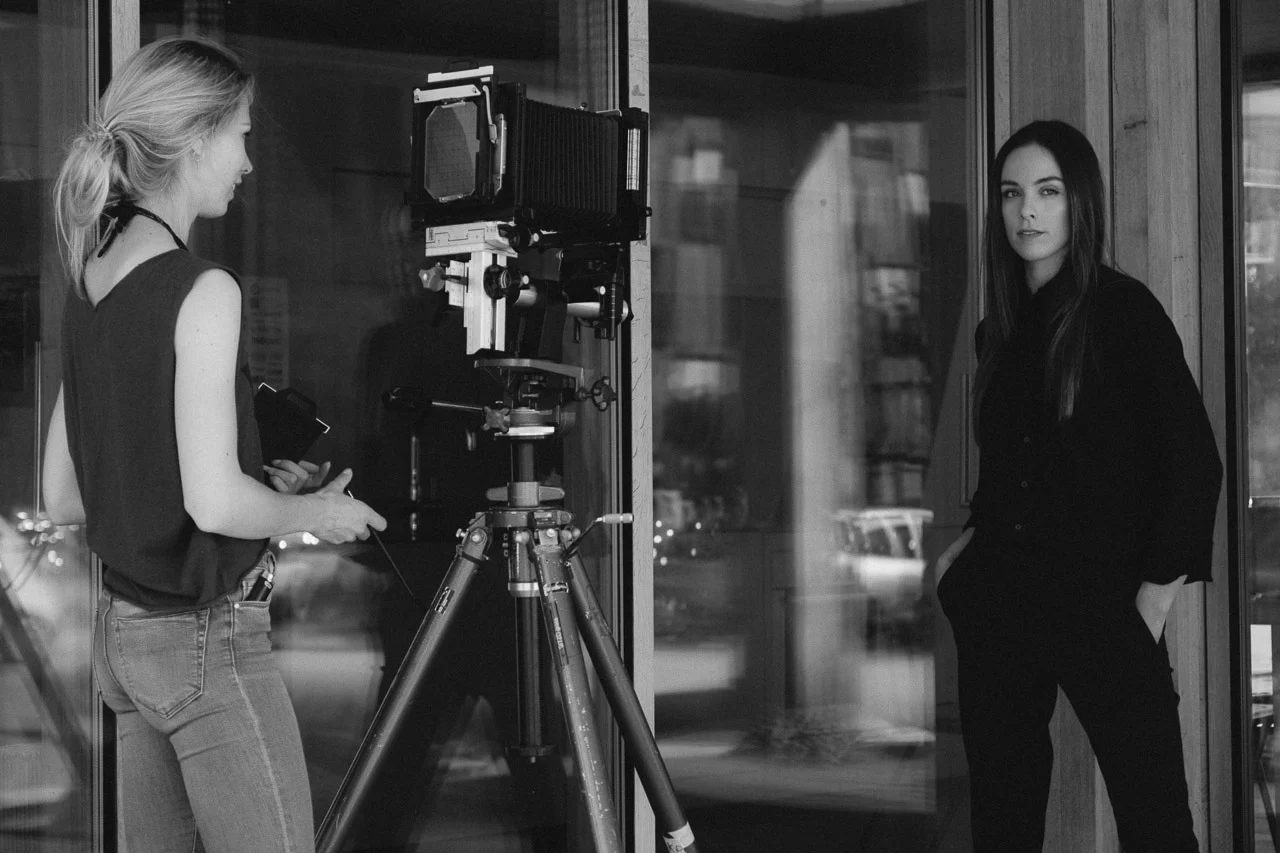
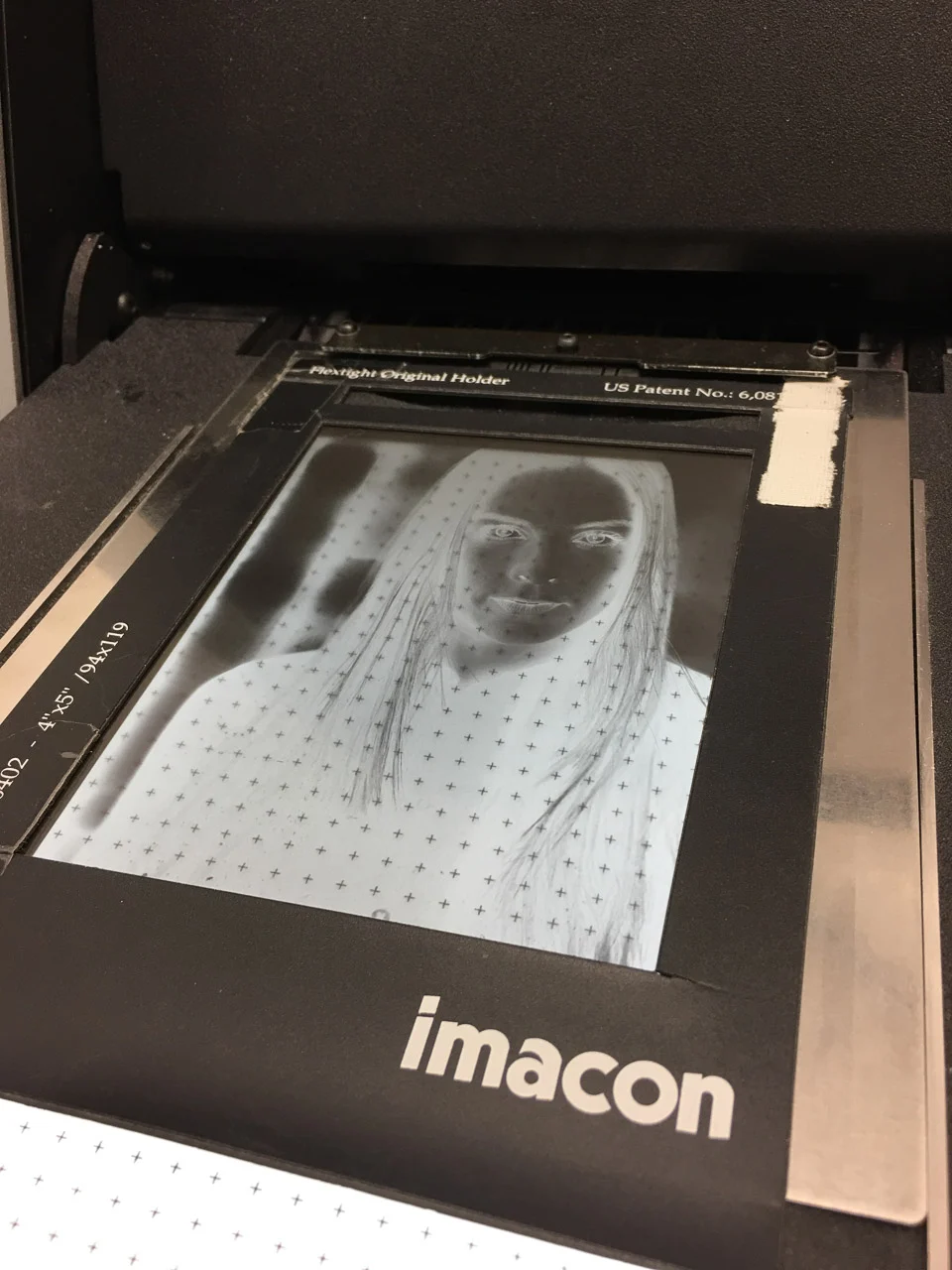
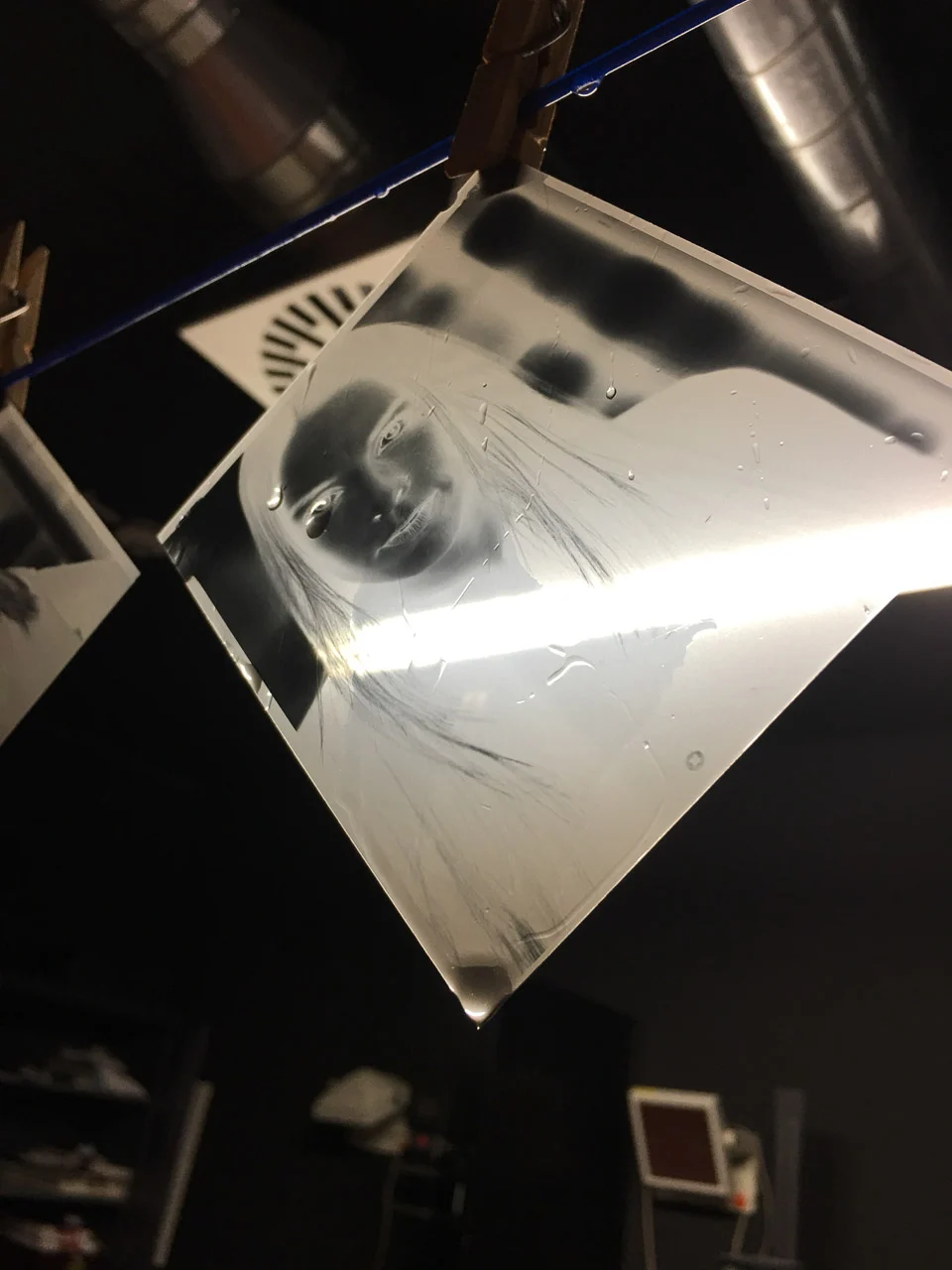
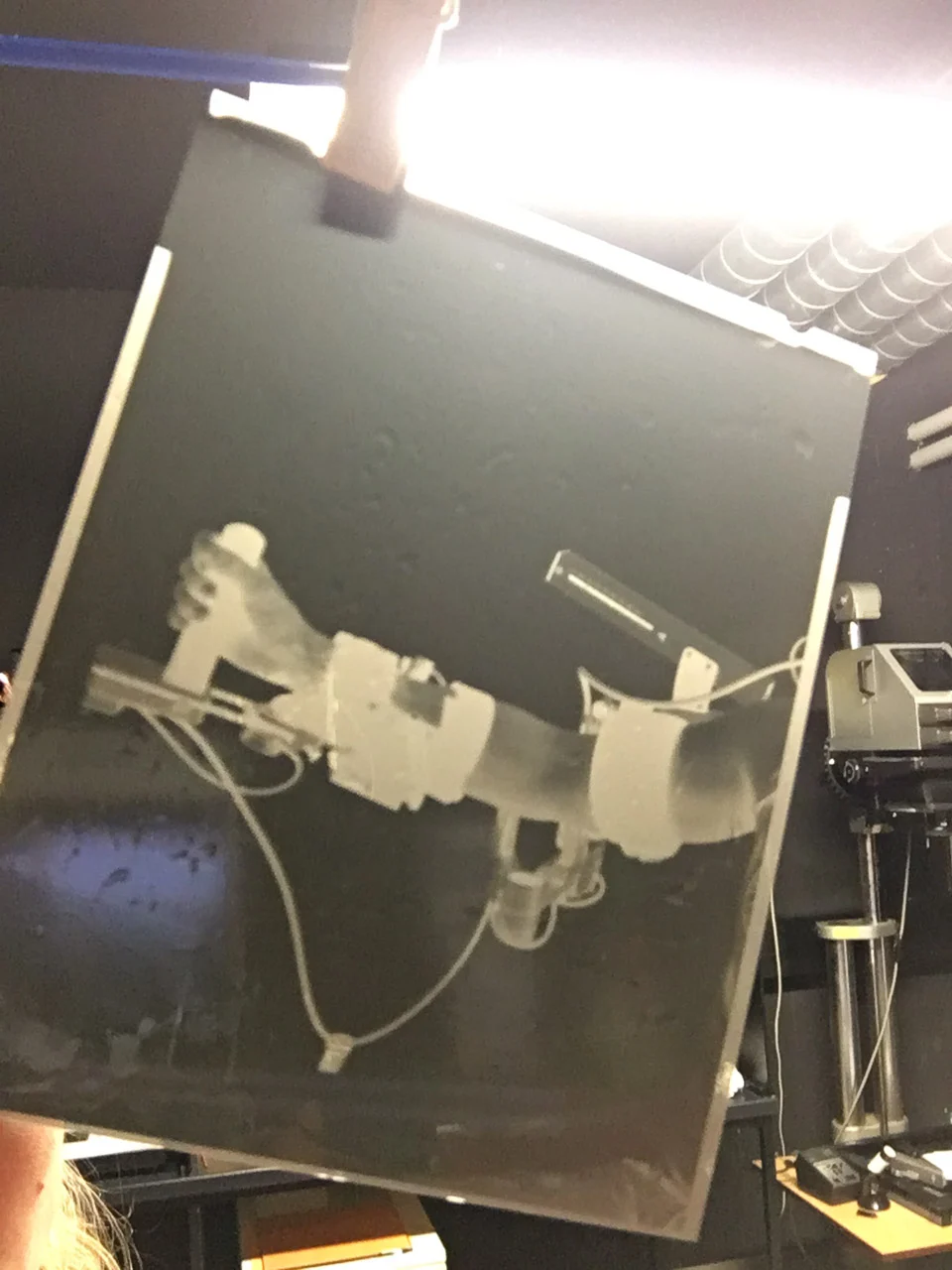
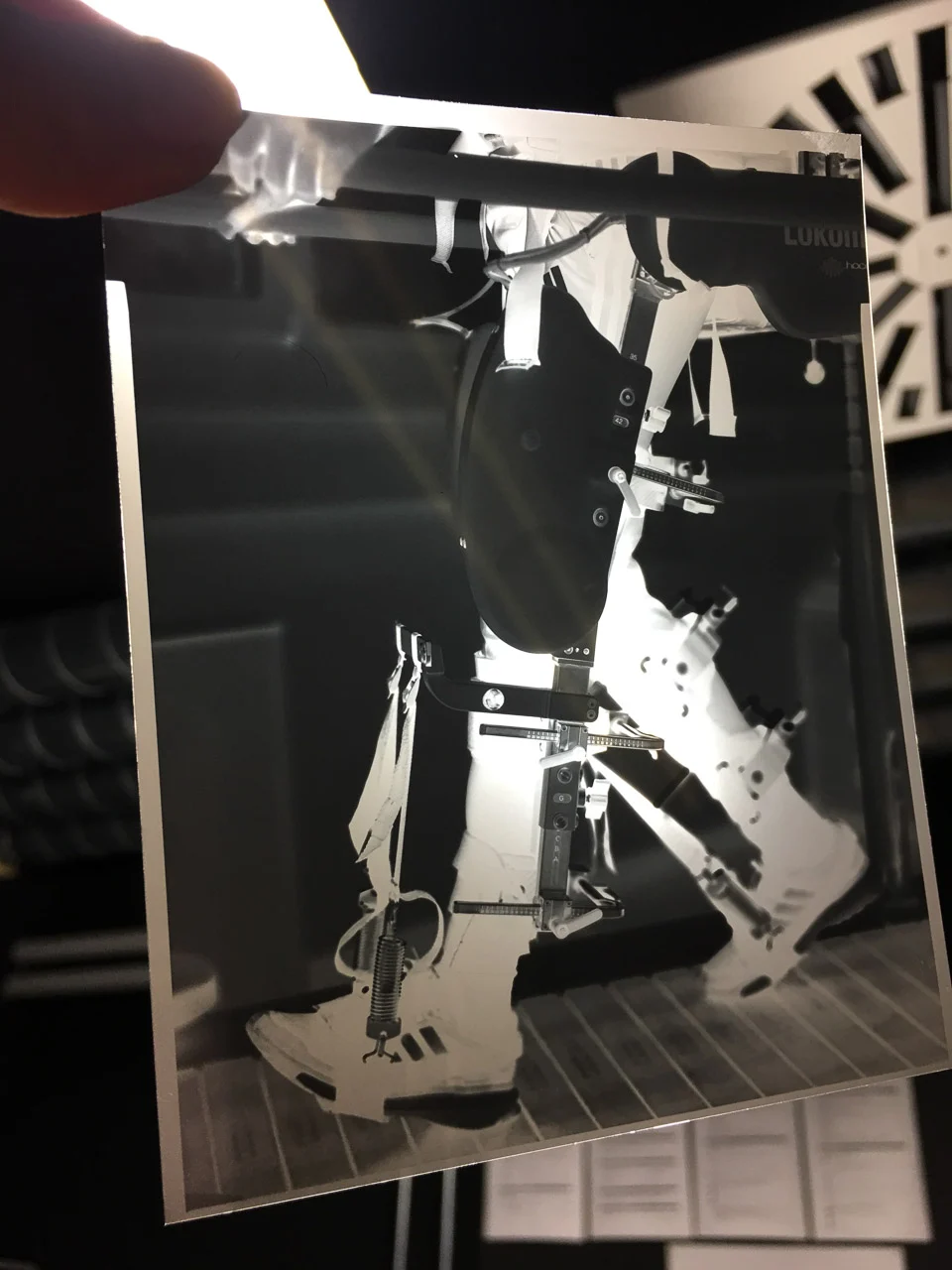
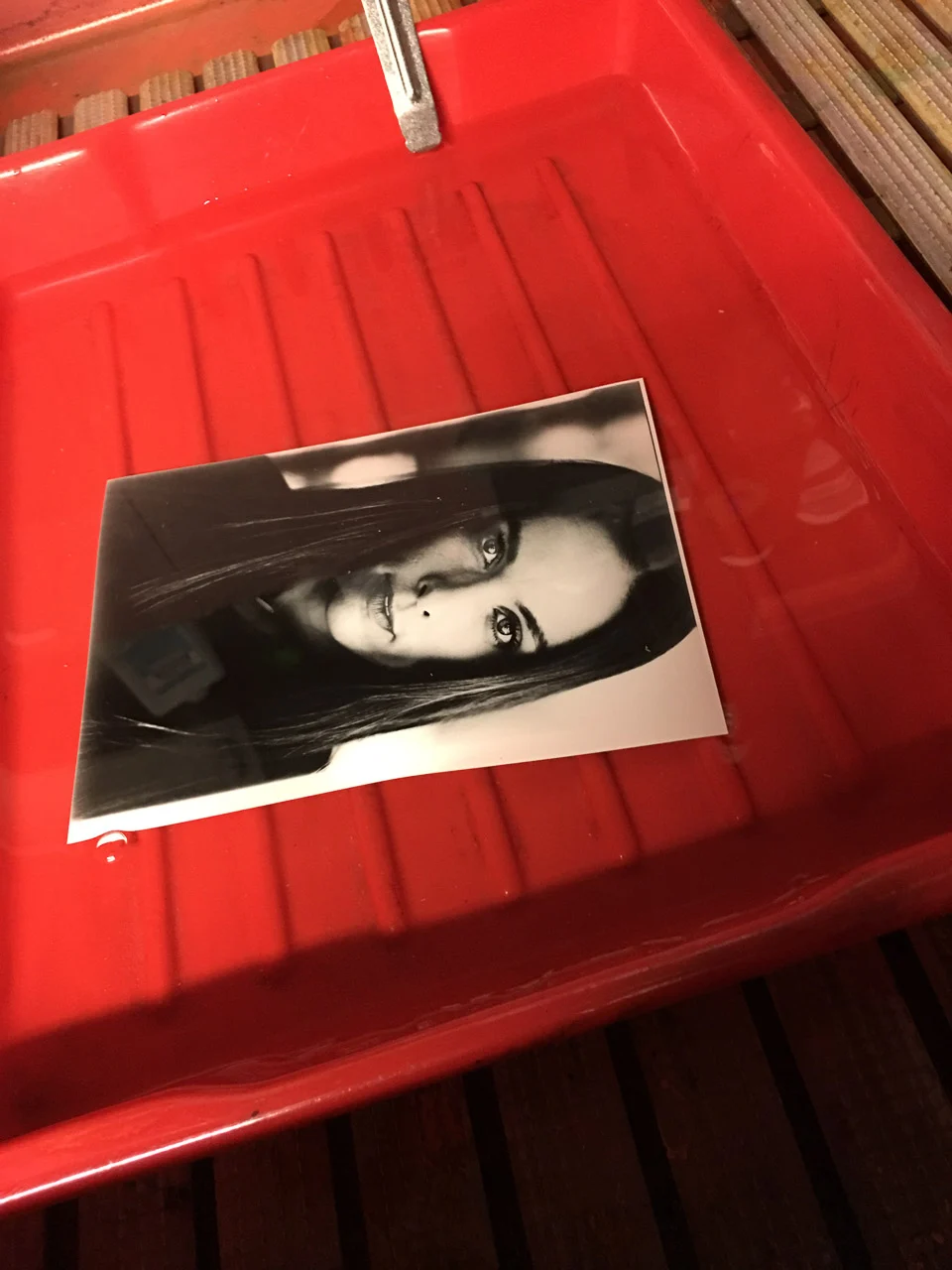
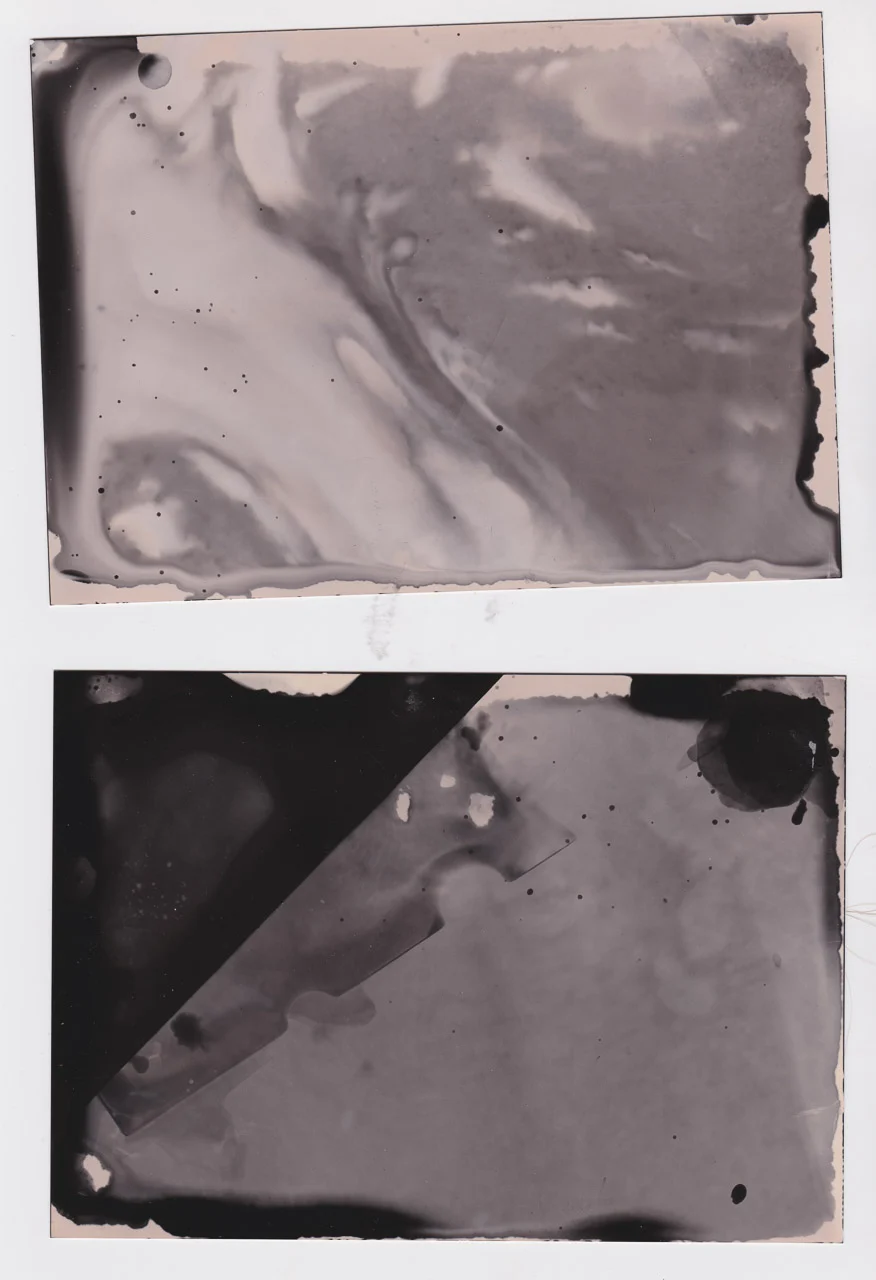
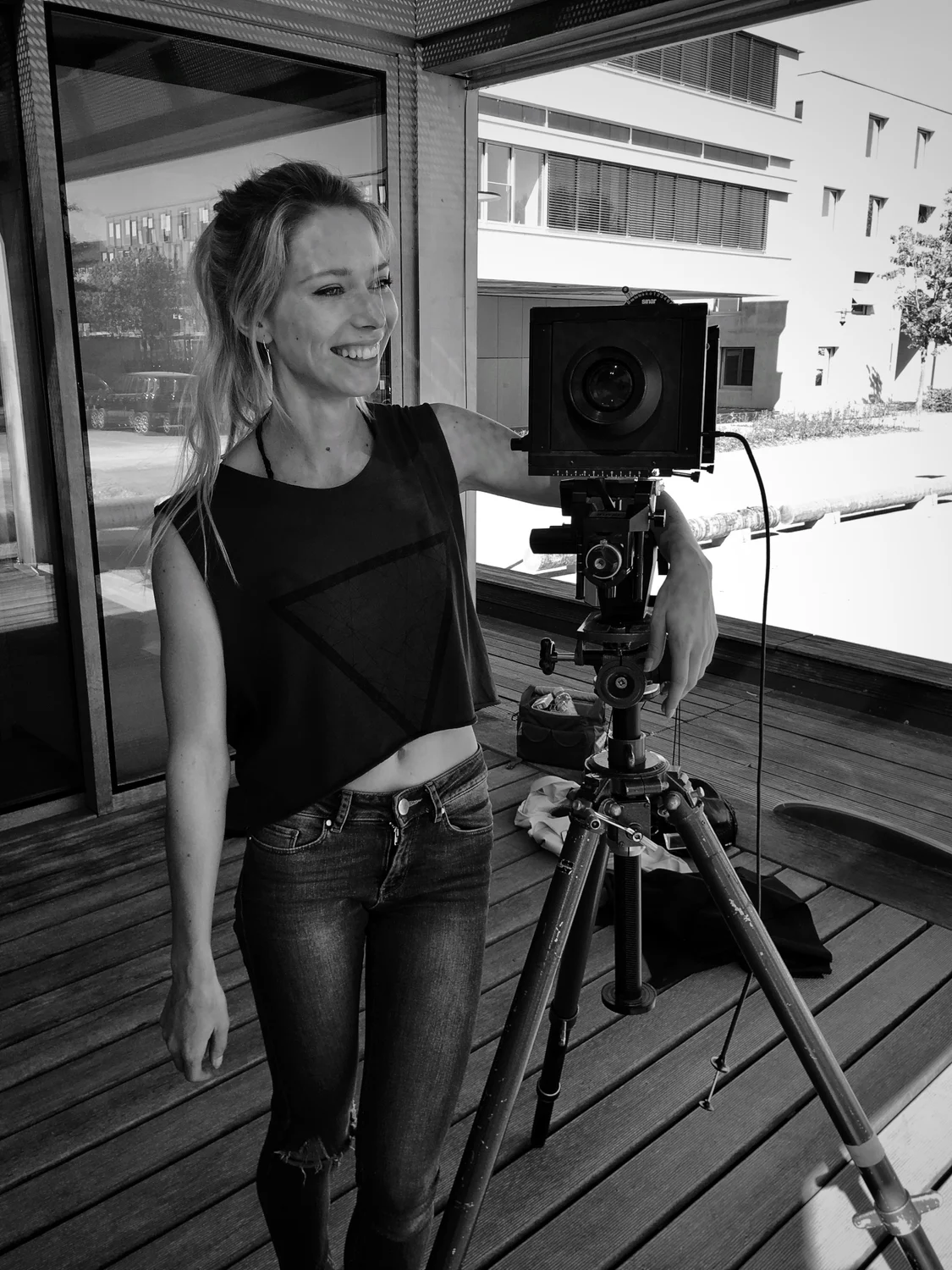
Each timestrand received a symbolism of the image element, so the old analogue photography technique became a sign of the past. Photographed with a large-format Sinar P2 4x5 camera and, as in the past, the negatives were developed and exposed. The present was represented in the form of an unpersonalized human being in the subject. The future received its visualization through the high-tech rehab devices of the robotics department of the rehabilitation clinic in Zihlschlacht (Switzerland).
"Moving Intention" is the technical term on this station when a device interprets and supports the movement of the patient. The title is equally relatable to digitization. It stands for change and uncertainty at the same time. Where the journey with digital technology will lead, we do not know.
Three questions
Where do we encounter digitization, AI, VR and AR up close and which direct contact points are there?
Is it possible to keep a change so the progress on a picture?
Where do the times of progress meet, is there an interface?
I've always been here
I am the “Always”
And will always be -ever.
I am also the “being”,
For I make you precious.
I'll make you fleeting.
I meet everyone and everyone,
I let everything come and go.
I am a witness and a perpetrator.
You only meet me at the moment,
I become immortal
and you carry the thought of me further.
Ich renne,
I creep
I am the change.
You can't see me,
But I have a look.
Traces of my presence.
I am the time.
Die Frau Frey
Intime
Interface
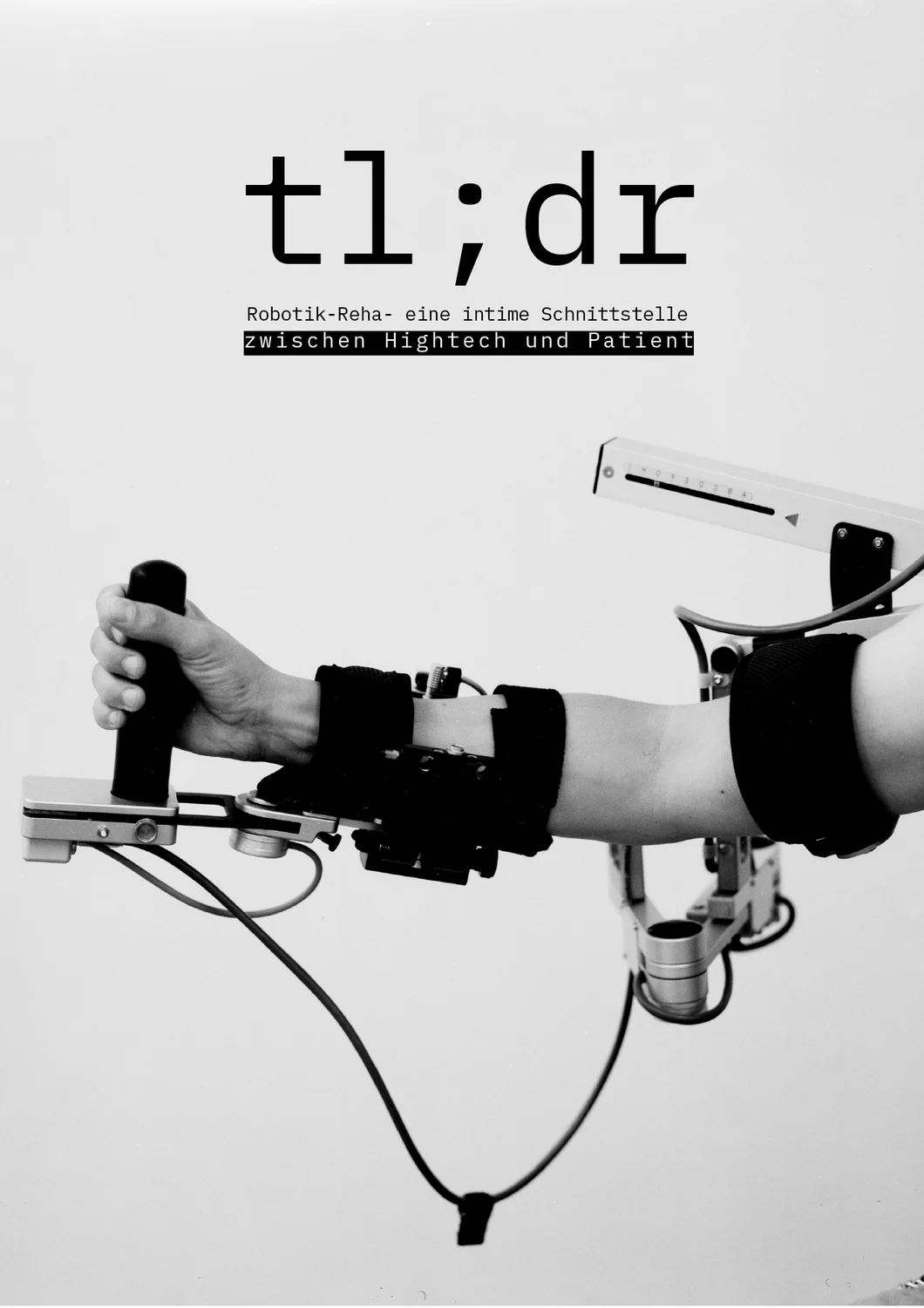
How an Intimate Interface Between High Tech and Human Helps Patients
We know it from movies Avatar, Edge of Tomorrow, Elysium and many other movies, the exoskeleton.
The exoskeleton is the outer support structure for an organism, and it works like the shell in invertebrates, a kind of outsourced skeleton. For some time now, work has been done on exoskeletons, which are robots that can be worn on the body and support or reinforce the movements of the wearer.
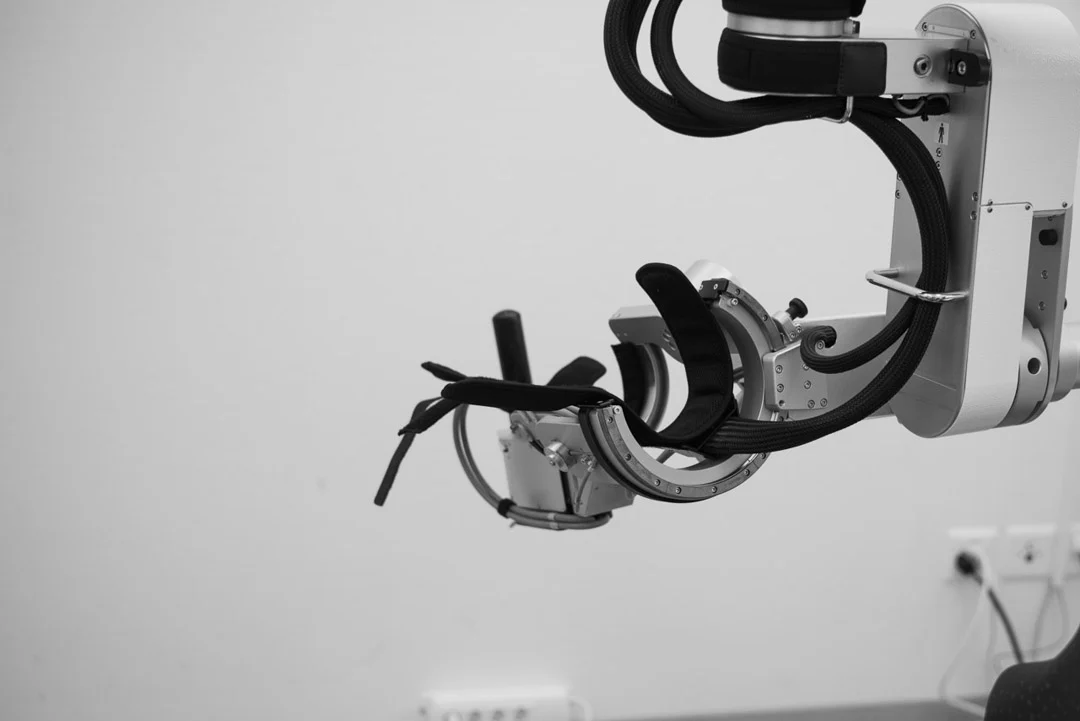
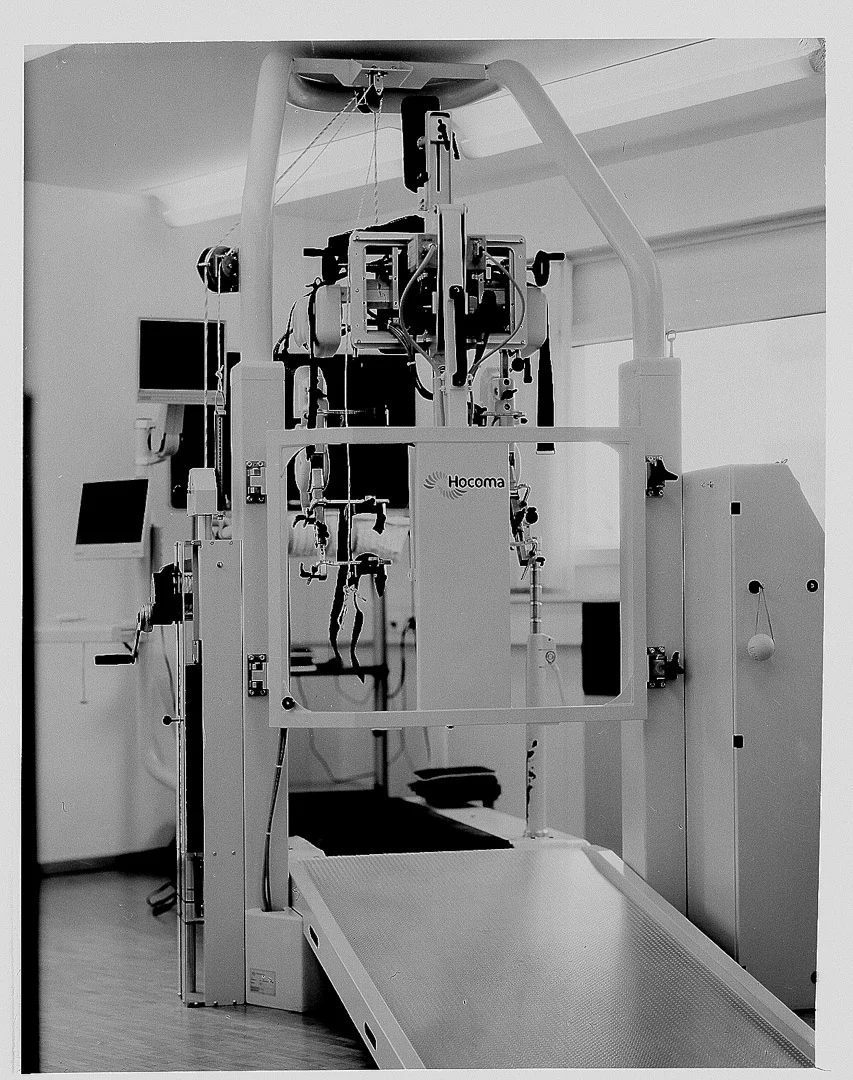
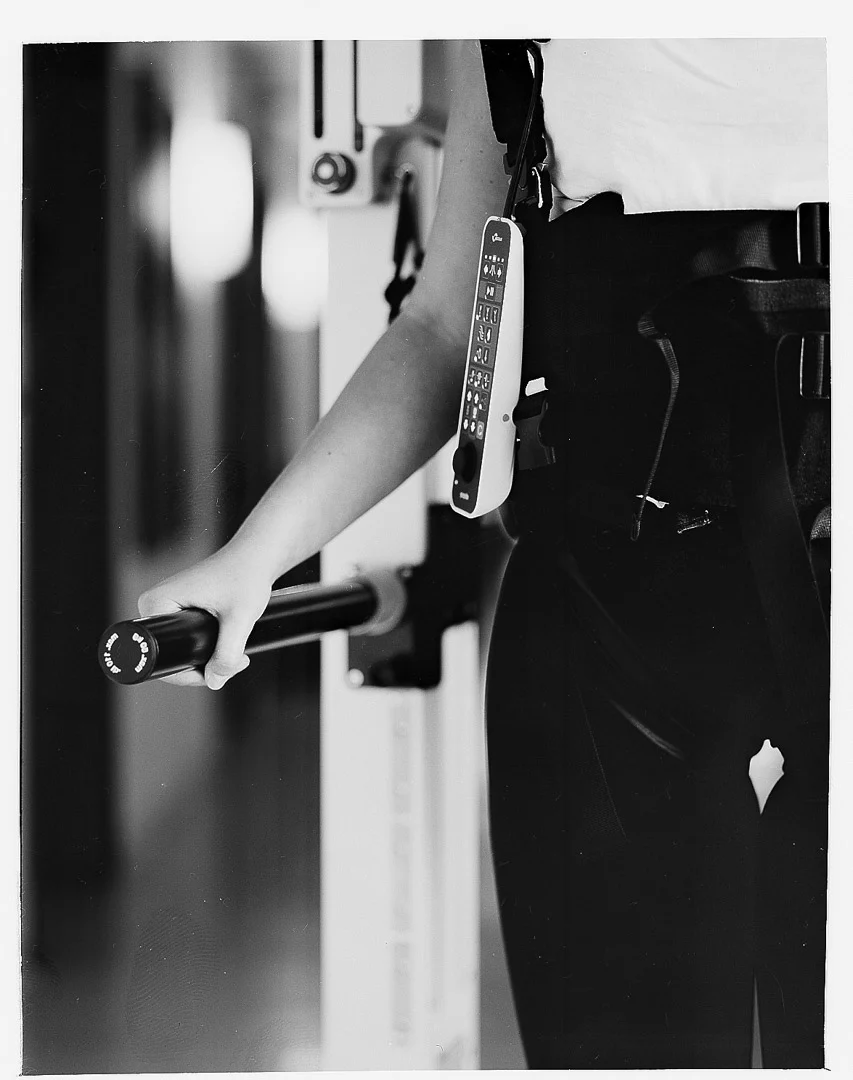
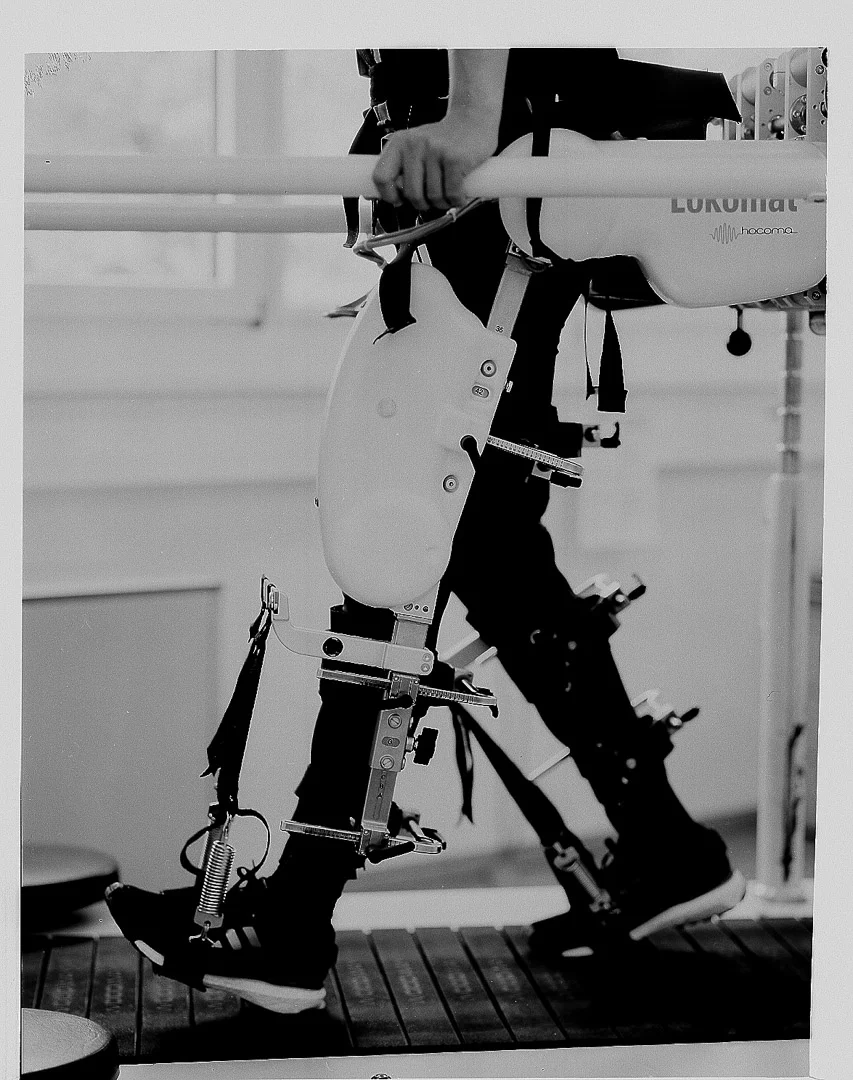
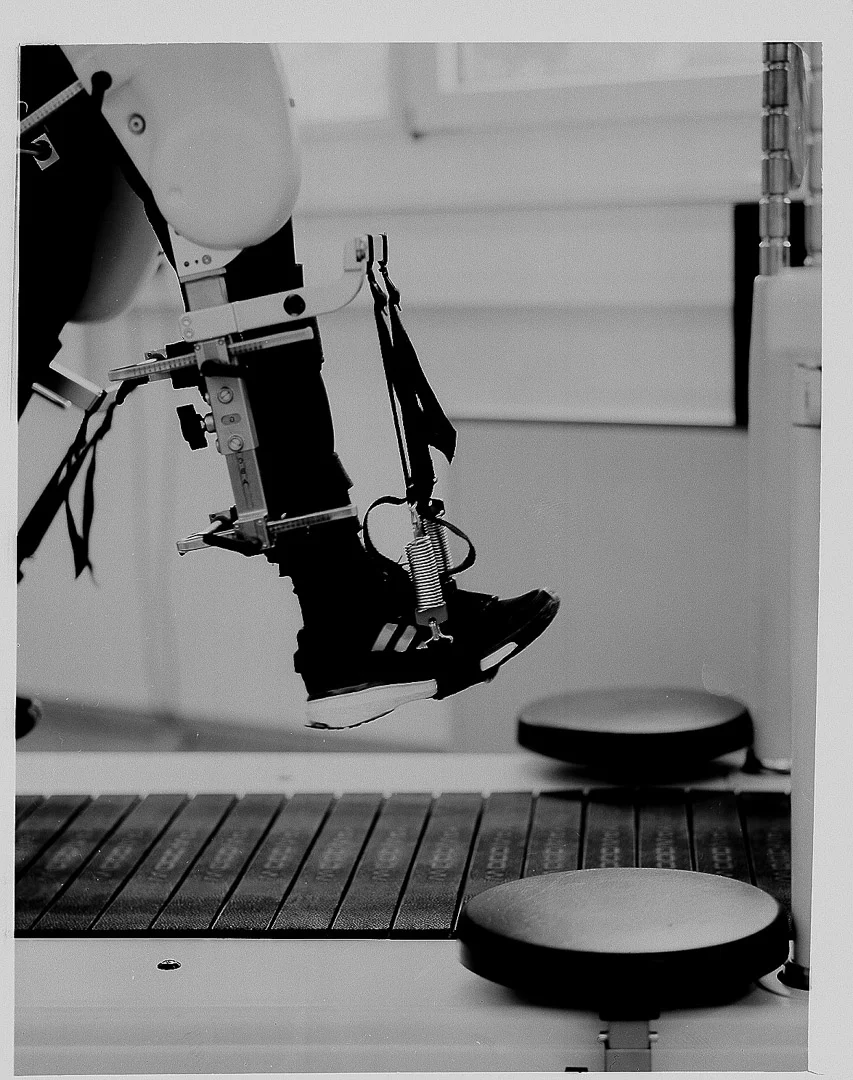
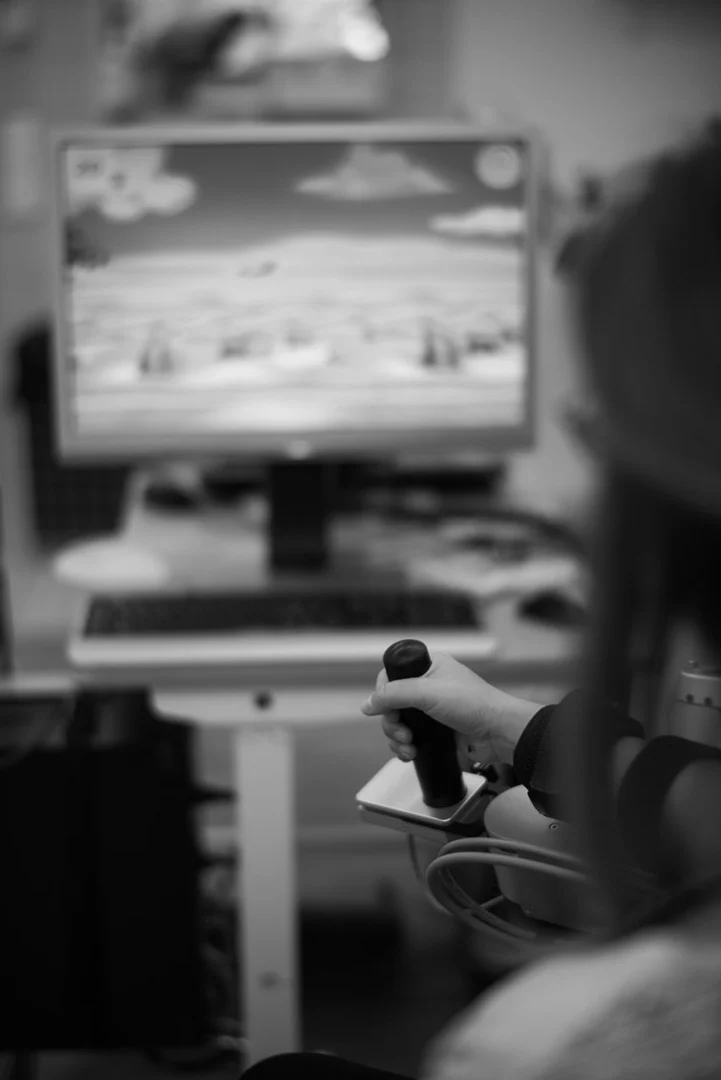
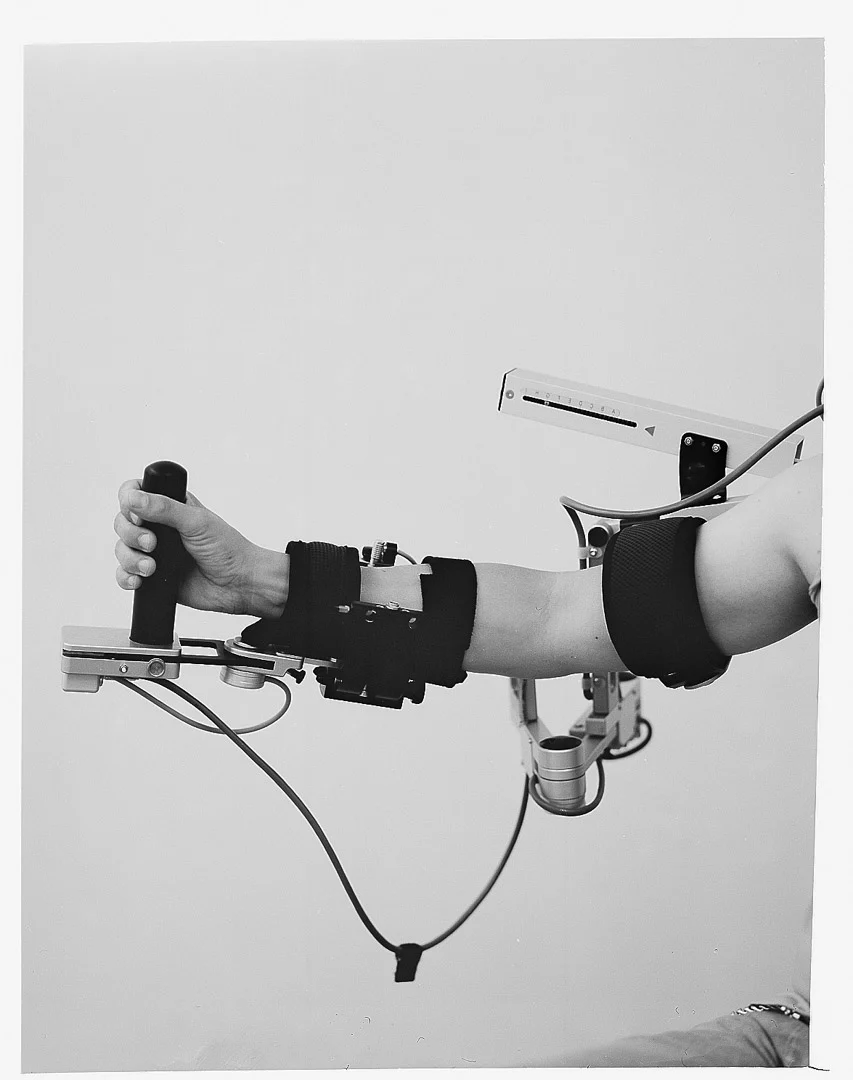
In everyday life, such robots are rarely encountered. However, many people already support their movements and meanwhile also use the technology of the AR. In the Rehakilink Zihlschlacht (Switzerland), there is a complete robot-assisted movement center. The robots are called Armeo, Logomat and Andago, they support the rehabilitation of various diseases. The “armo” is a robot arm that not only supports the movements of the patient, but can also think and perform them. The combination with various computer games maintains the motivation and the patient concentrates. In one of these games, the patient goes through a forest and has to catch deer. The gait is controlled by the help of the patient. The “logomat” is not dependent on the help of the patient. The “logomat” does not rely on the help of the patient. The “logomat” does not rely on the help of the patient. Even if the patient can no longer walk independently, the whole body is irritated and the nerves and muscles are trained. This also releases endorphins that are conducive to recovery. For many affected by a stroke, the “logomat” is for example the first chance to walk upright.
Not everyone is enthusiastic about this technology. The Zurich University of Technology had tested a total of 77 patients whether a robot-assisted therapy brings greater progress, the result surprisingly did not show any great differences. However, the motivation of the patients in the locally very stupid conventional physiotherapy is rather low. The games of the robot also bring joy and success. Because a rehab can also take a very long time, so it is a welcome change to be able to walk or move the arms without human help. The psyche of the patients is therefore not additionally burdened by the fact that they are once again dependent on the support of a human. The robots of course also relieve the professional staff by the rehabilitation potential can be exploited and the therapy progress can be better monitored by the games. Ultimately, it is possible and the simple feeling of happiness can go again without human help or the arms to move.