Below Minimum Distance
Twelve months, one virus, twelve stories that we don't know. Corona holds the world in suspense. 2020 turned out to be a global test of global solidarity. In every area of life, new obstacles and needs emerged, and we need new perspectives and perspectives. The people of Constance also faced new challenges. Challenges that we didn't know before. By looking out of our own isolation, we broaden our horizons, get to know other destinies and see gaps that this time leaves in our society. Corona deprives us of touch points that open people up and bring us close. The book tries to build a bridge here by telling the stories of different people. Subjectively, details are focused, totals are centered and facets are illuminated. This is to create a glimpse behind the facades of the quarantine and encounters take place below the minimum distance.
About
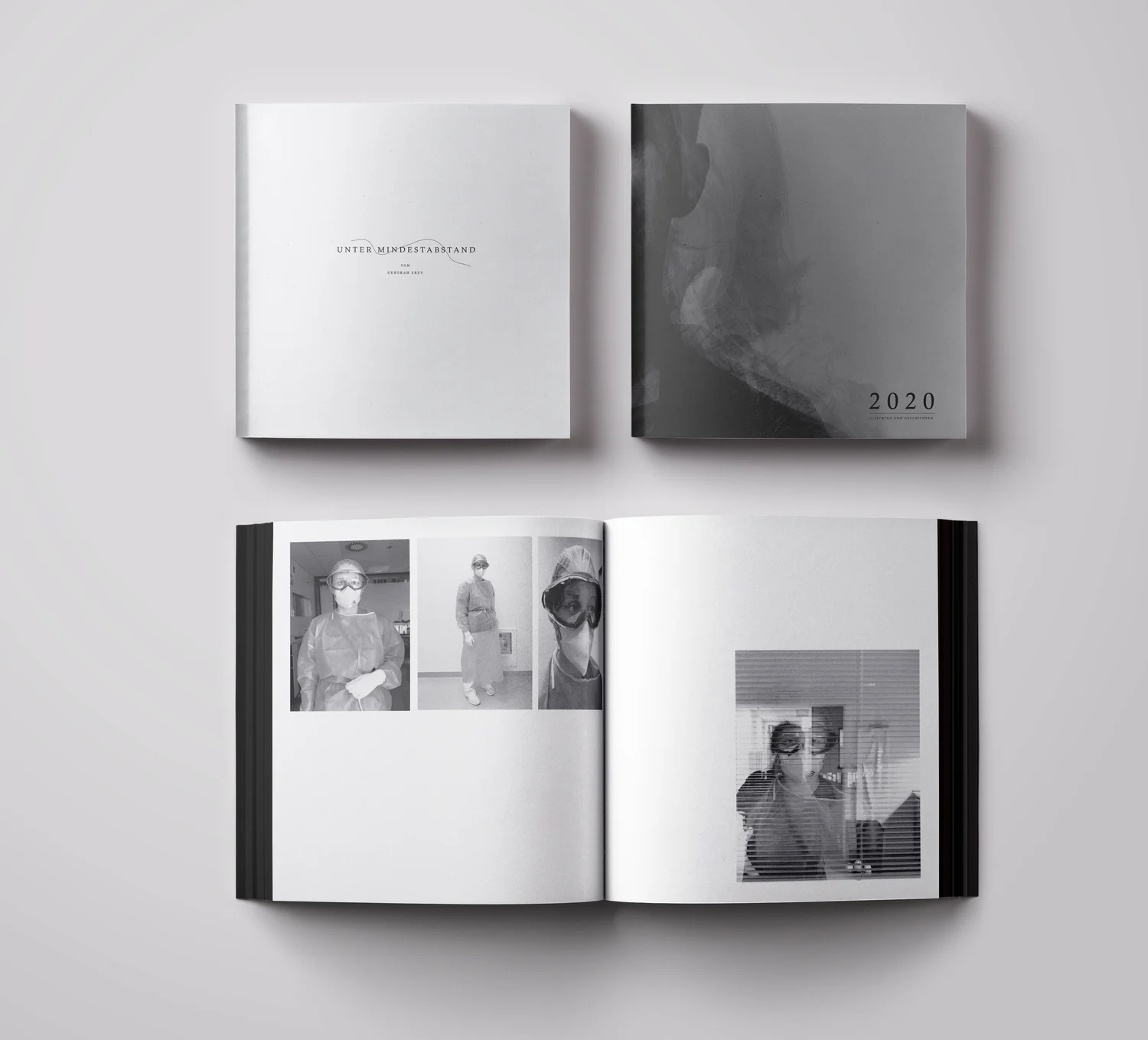
In my thesis, the 320-page straking illustrated book "Under Minimum Distance", I take a look behind the facades in Constance during the lockdown in 2020. The book "Under Minimum Distance" is a review of the year 2020 under the veil of the Corona Pandemic. It opens up perspectives on the lives of people from Constance and the surrounding area. Especially in a time when care is to be kept distanced, the exchange is limited. The aim of the work is to experience the experience of others. The insights enable empathy for the challenges of our fellow human beings and the handling of this exceptional situation.
The stories
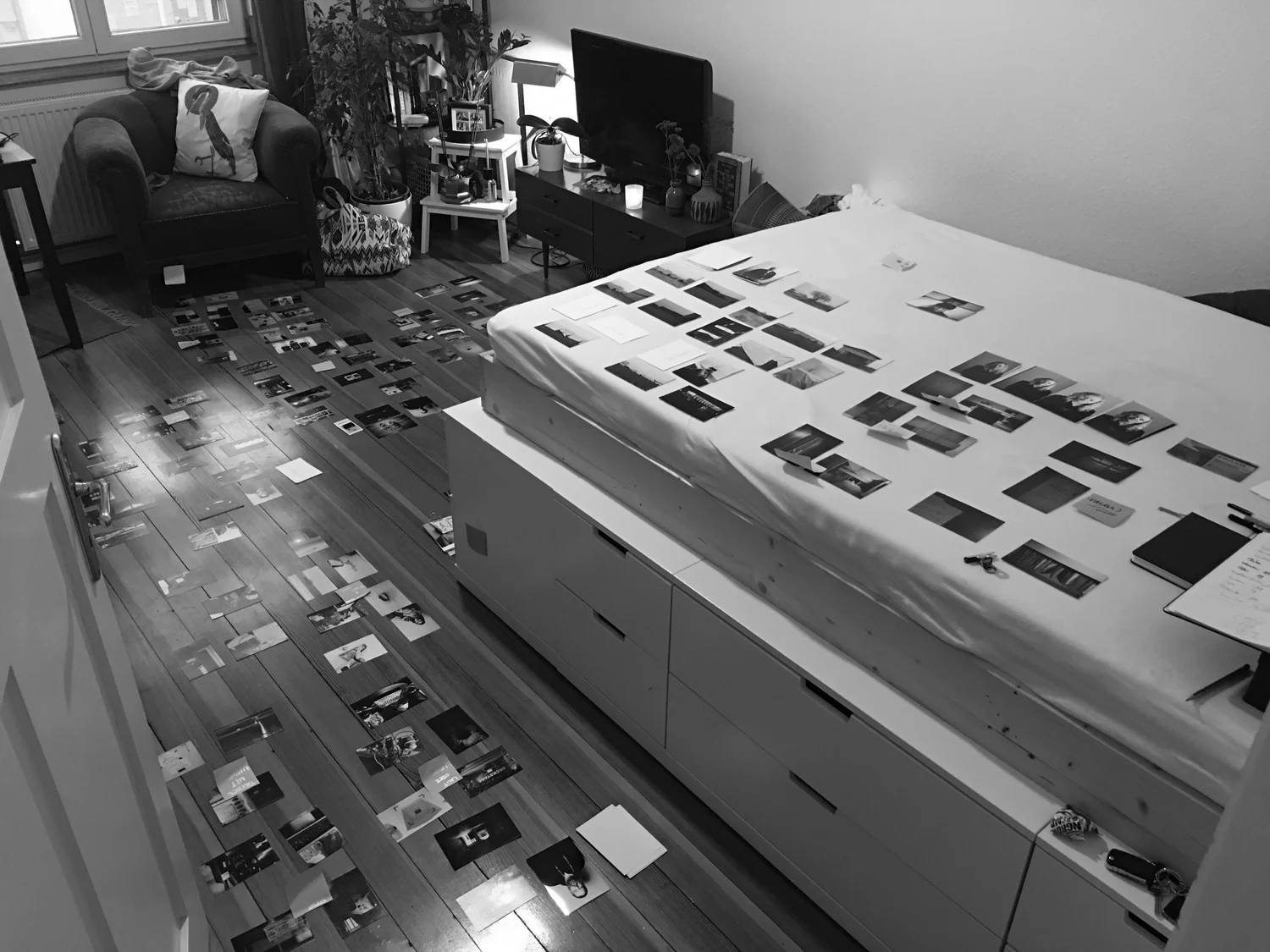
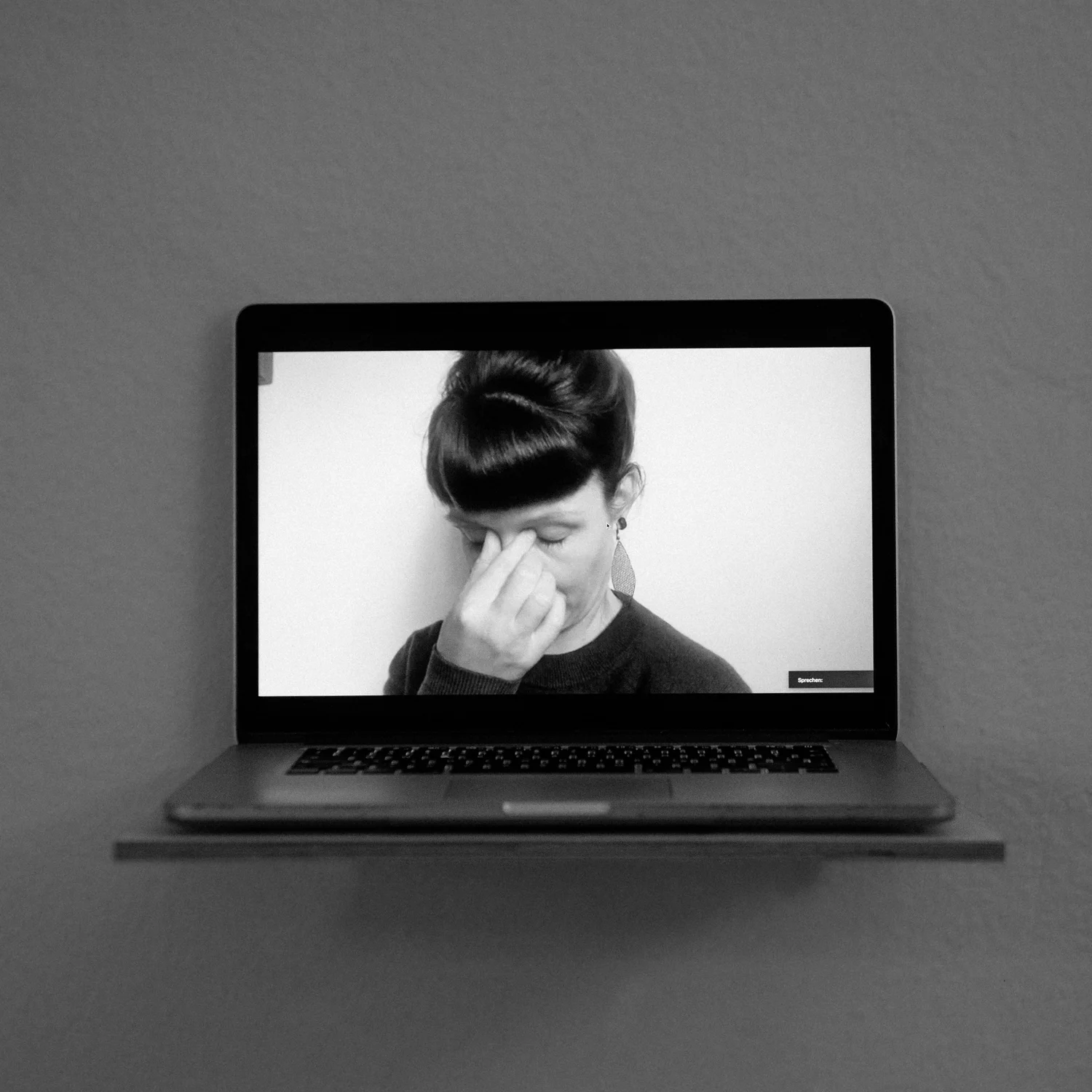
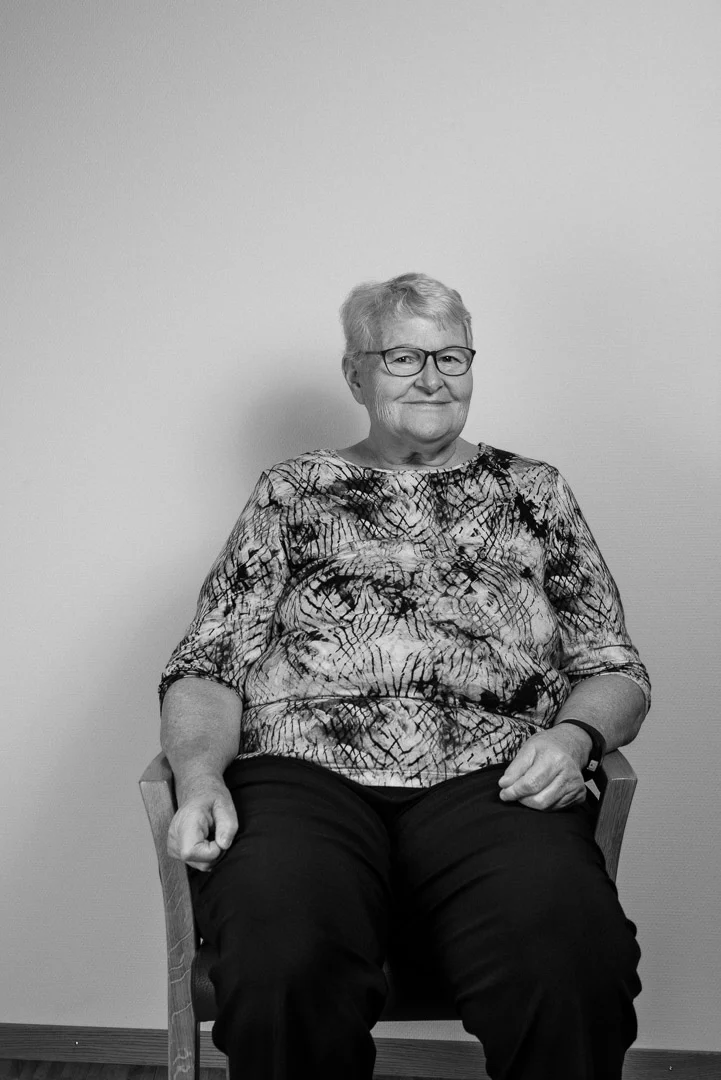
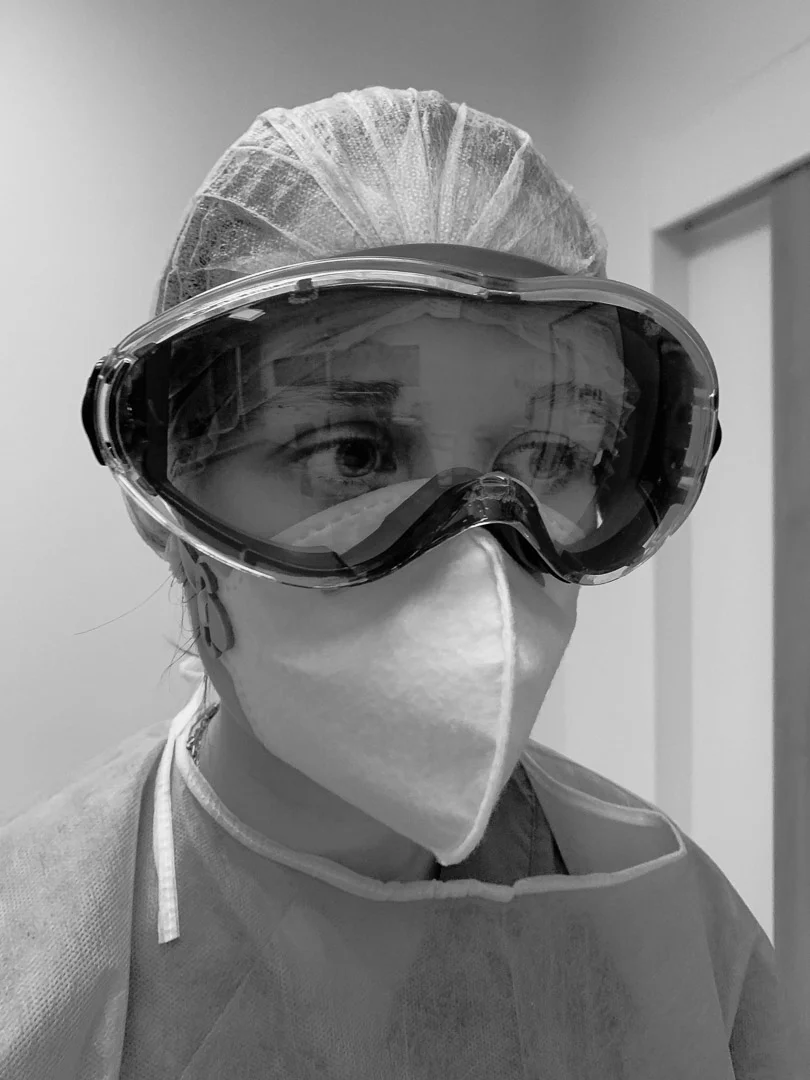
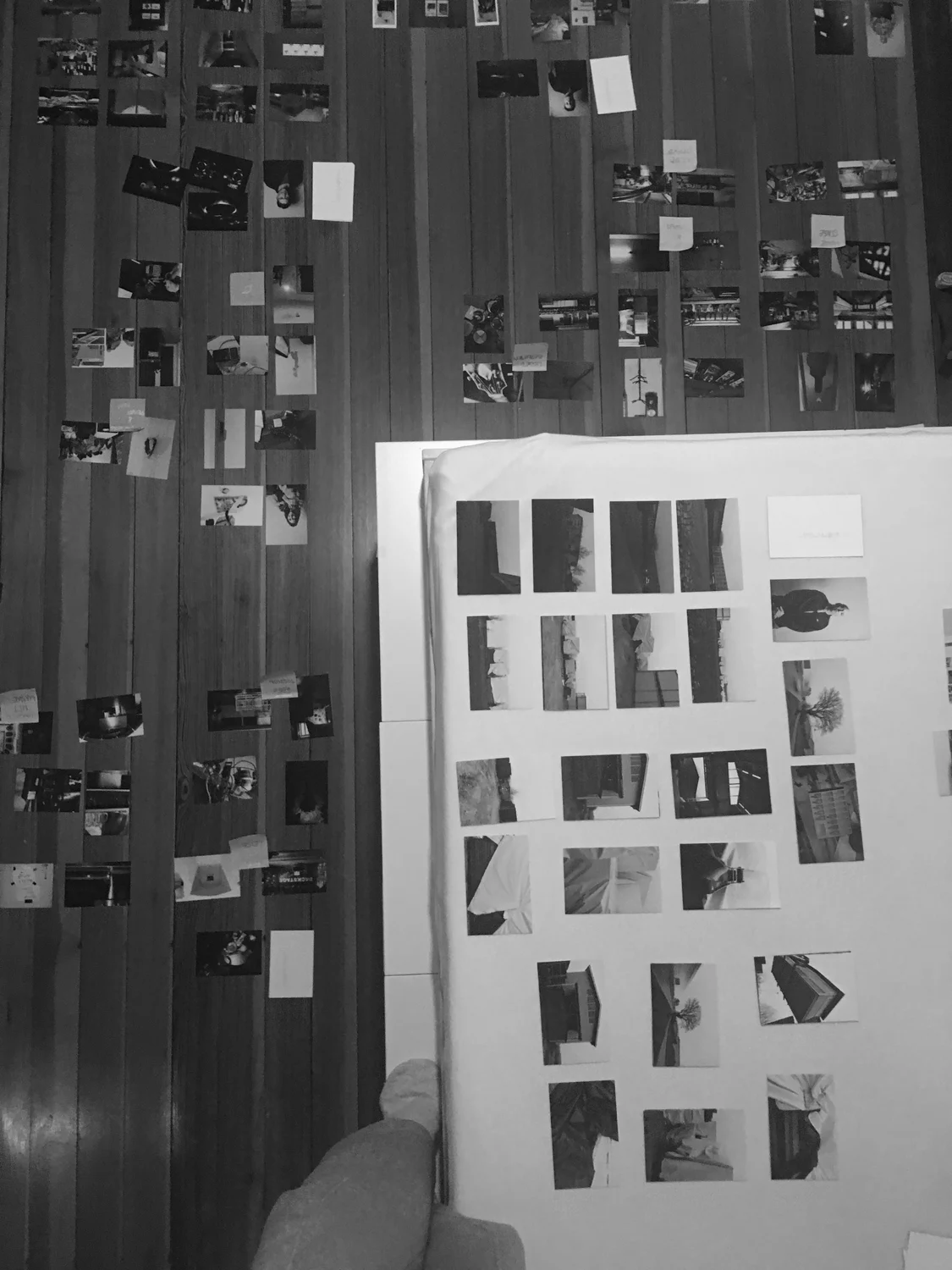
After evaluating the interviews, it was decided how the individual story should be presented. The photographs not only document situations during the lockdown, but they also find a pictorial metaphor for the story of the interviewees:innen. The book builds a bridge between different people and situations. The resulting reports provide insights behind the facades of the quarantine and allow encounters to take place under the minimum distance.
The book
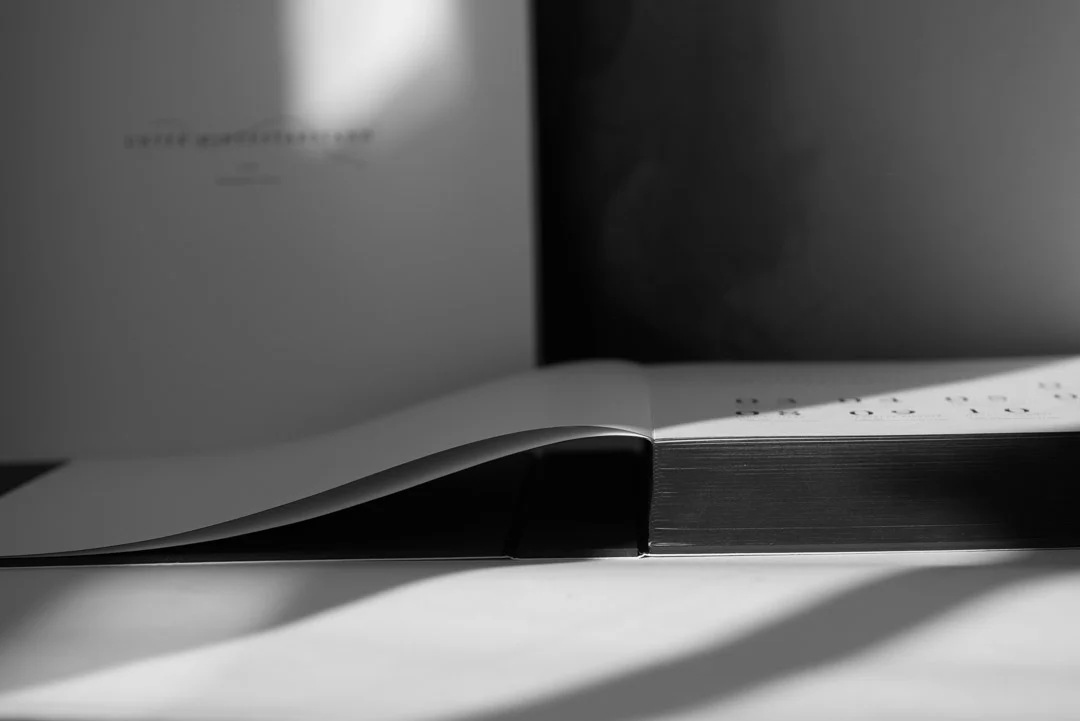
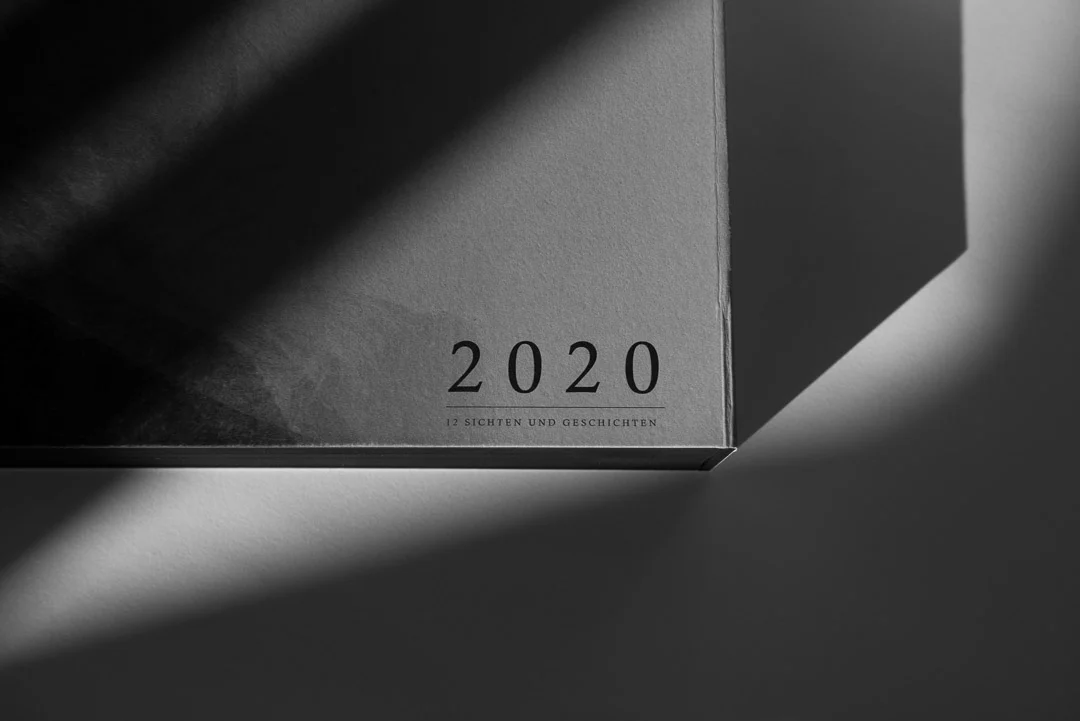
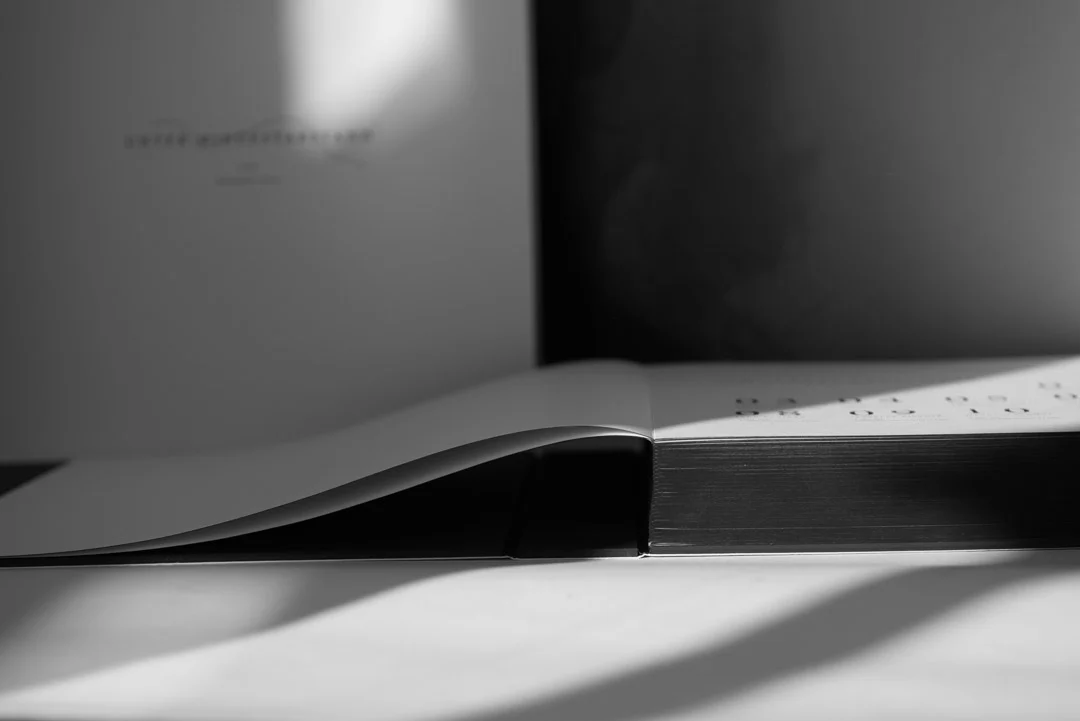
The medium of a book was chosen to archive the durability and durability of such a historical presentation incision. The large format 28x28cm supported the large incisions of this year and the challenges people faced. The square format was chosen not to favor any leaf edge. So high and wide in weighting are so that the images can appear in their format and layout.The book seduces via an Open Swiss brochure which was laminated on cardboard to preserve the book Optics and Habtik.
The open back represents a glimpse into people's lives and invites the viewer to open the pages and look inside. It has been decided to cover the envelope in full black cardboard with the same paper on the insides. The age-resistant nature paper at 150 g/m2 is durable and has a warm yellowish tone, which is inspired by the past and memory. The feel is soft and therefore emotional because the paper is a touch. The thickness of the book is intended to create an association with the old important books in the libraries, which are consistent over time and bearers of history.
Exhibitions
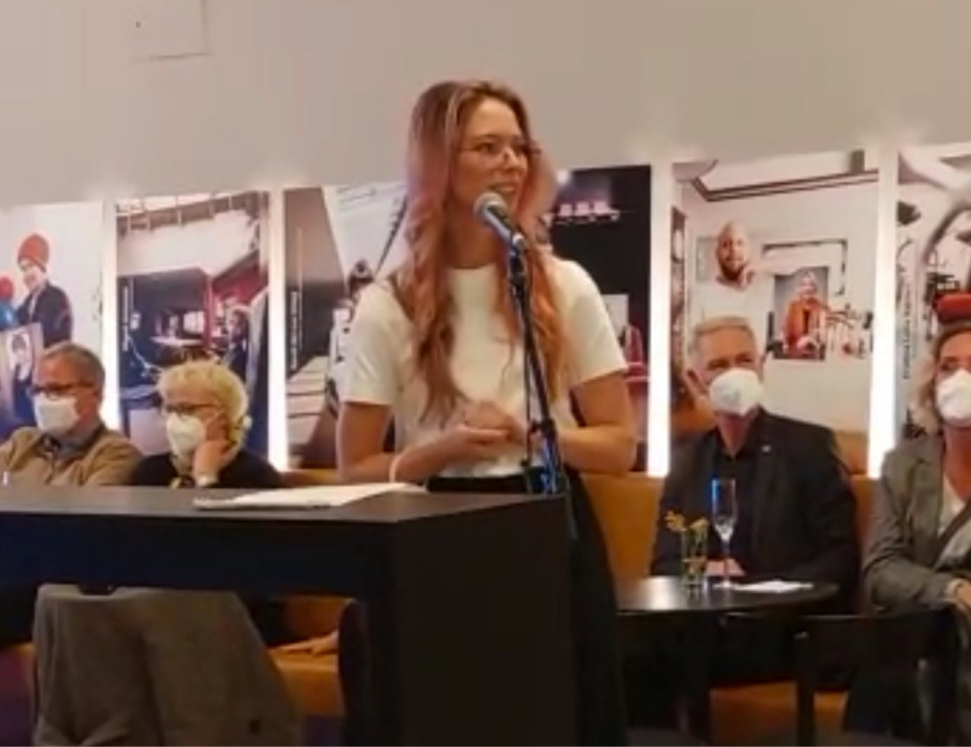
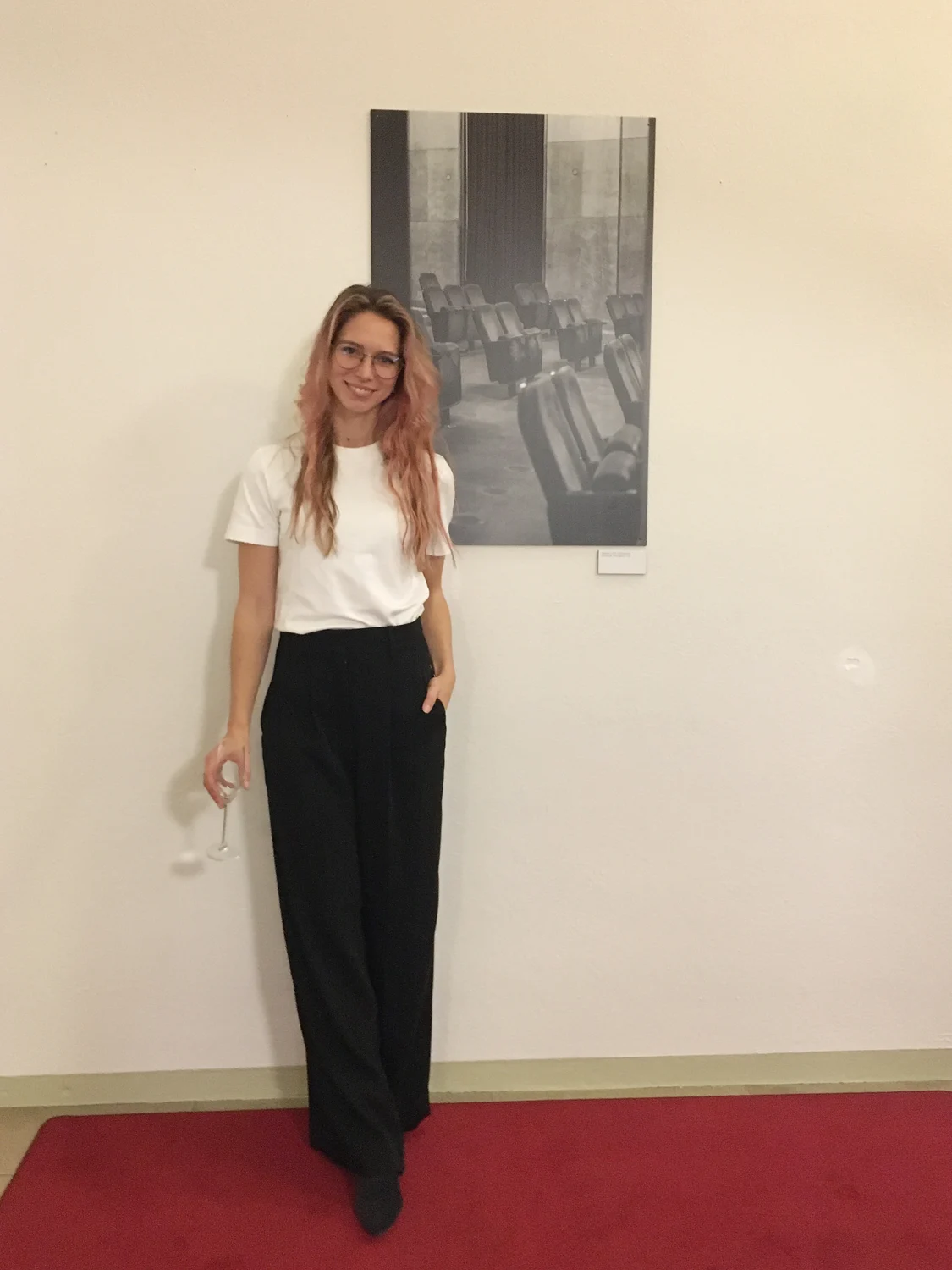
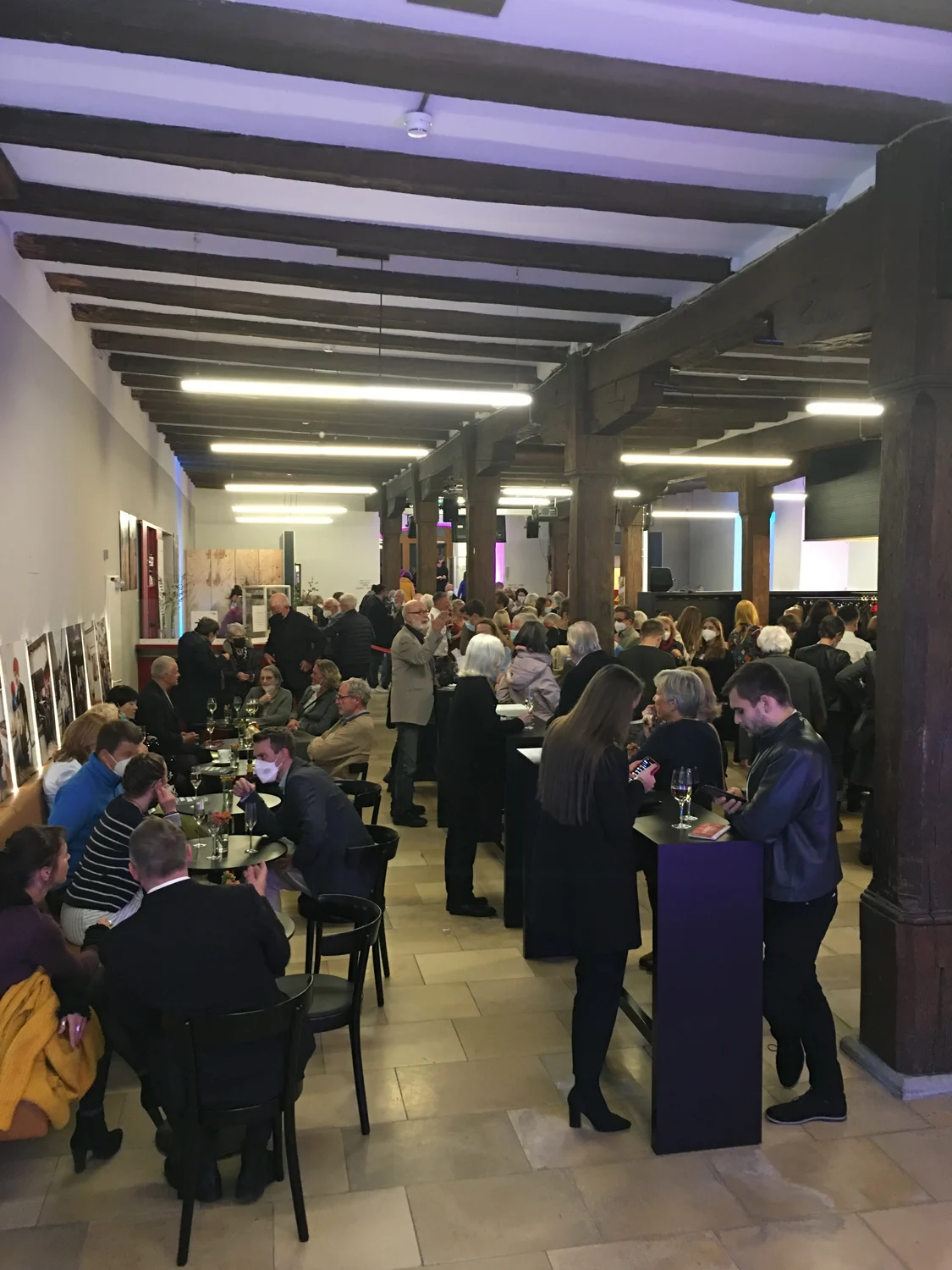
In the lockdown was also the play operation, the “oldest permanently recorded stage in Europe”, the Stadttheater Konstanz. At the reopening of the foyer, which was renovated and renovated, I was allowed to exhibit 18 of my pictures and open with a speech
Acknowledgements
My year 2020 was also full of challenges like no other year in my life.
Thanks to my proofreaders, Emotional Helpers and Inspirators. Larissa Streule, Leoni Weis, Sophia Hummler, Luna Wittwer-Mohklis, Lena Kaiser, Anke Westphal, Antonia Denneler, Hannes Osterwalder, and my father.
I am happy that I can meet such wonderful people on my way. Thank you to my examiners Prof. Andreas Bechtold and Prof. Valentin Wormbs.
Thanks to my interview partners:innen
Frank Schuhwerk, Franziska Autzen, Rene ́ Müller, Sven Kleiner, Osman Cöl, Mathias Schmal,Isabelle Fischer, Marian Mc Gregor, Rita Rutishauser, Katharina Burger, Sabrina Geiser the intensive care unit and the Klinukum Konstanz for their trust in their time and their history, without them this work would not exist.
I would also like to thank all the people and encounters on my way, without you I would not be where I am and not who I am.
The people
Eleven people from the fields of event & culture, gastronomy & nightlife, medicine & social affairs as well as private individuals were interviewed and photographed for their personal year 2020.
These eleven stories act as calendar months in the book, giving a collective glimpse of the past year. Each one has experienced this time differently. So the twelfth chapter is dedicated to the viewer himself. There's space on the blank pages for one's own disengagement. The portrayers were asked about both the challenges and the positive effects, and the portraits they created were asked to mentally return to the different situations.
The design concept
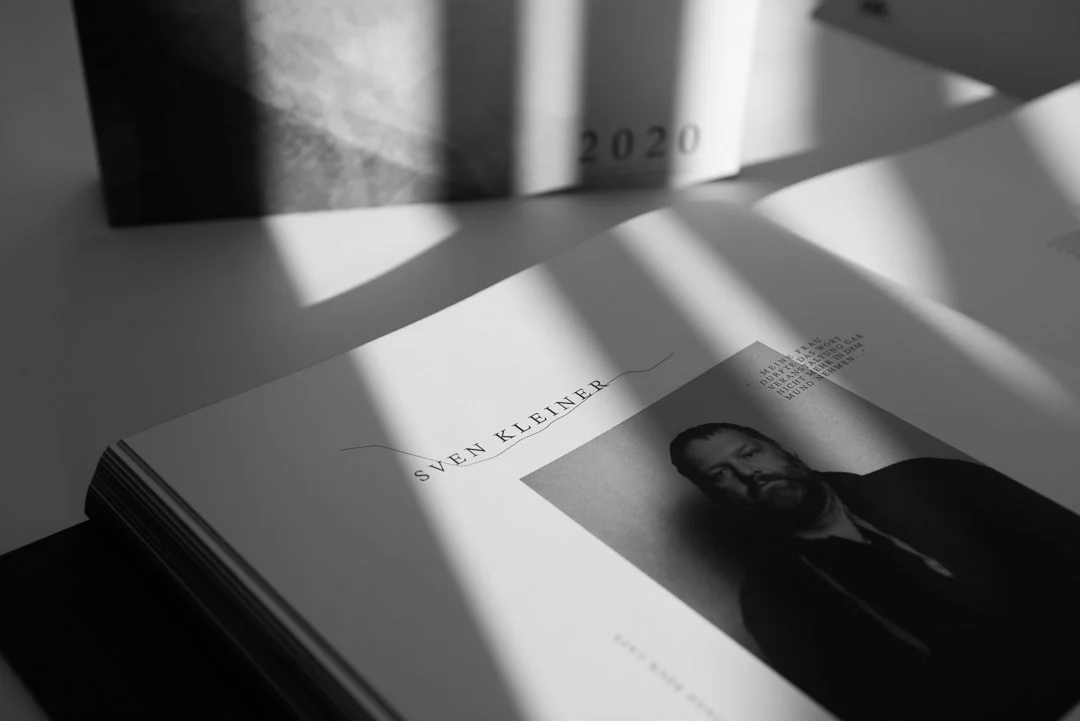
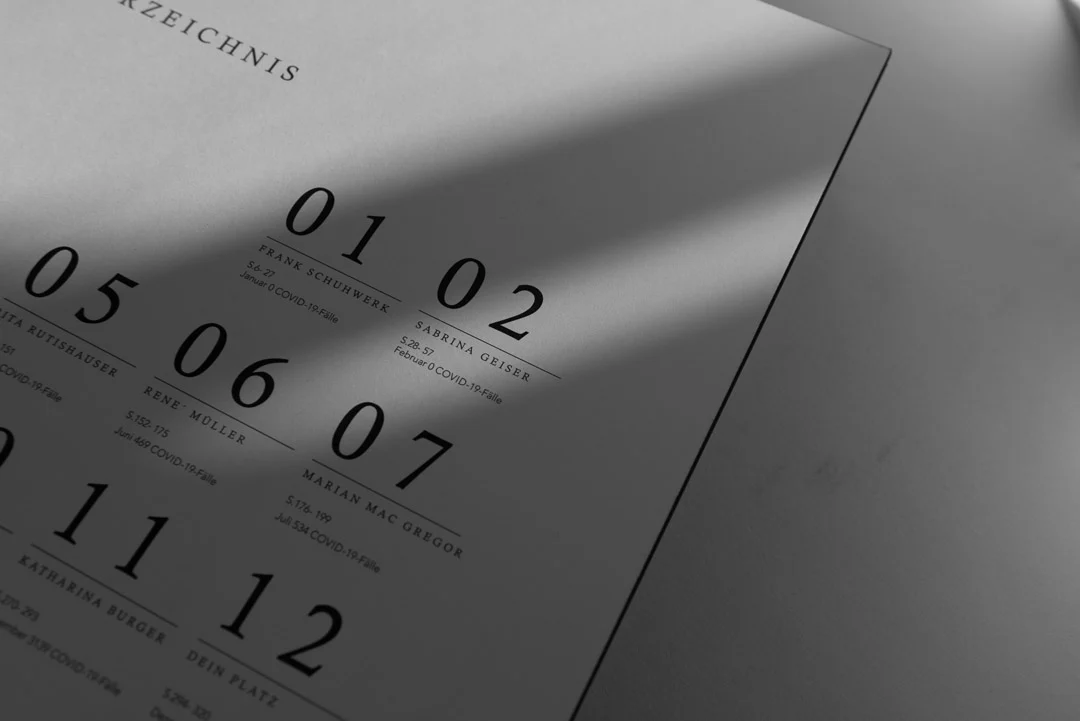
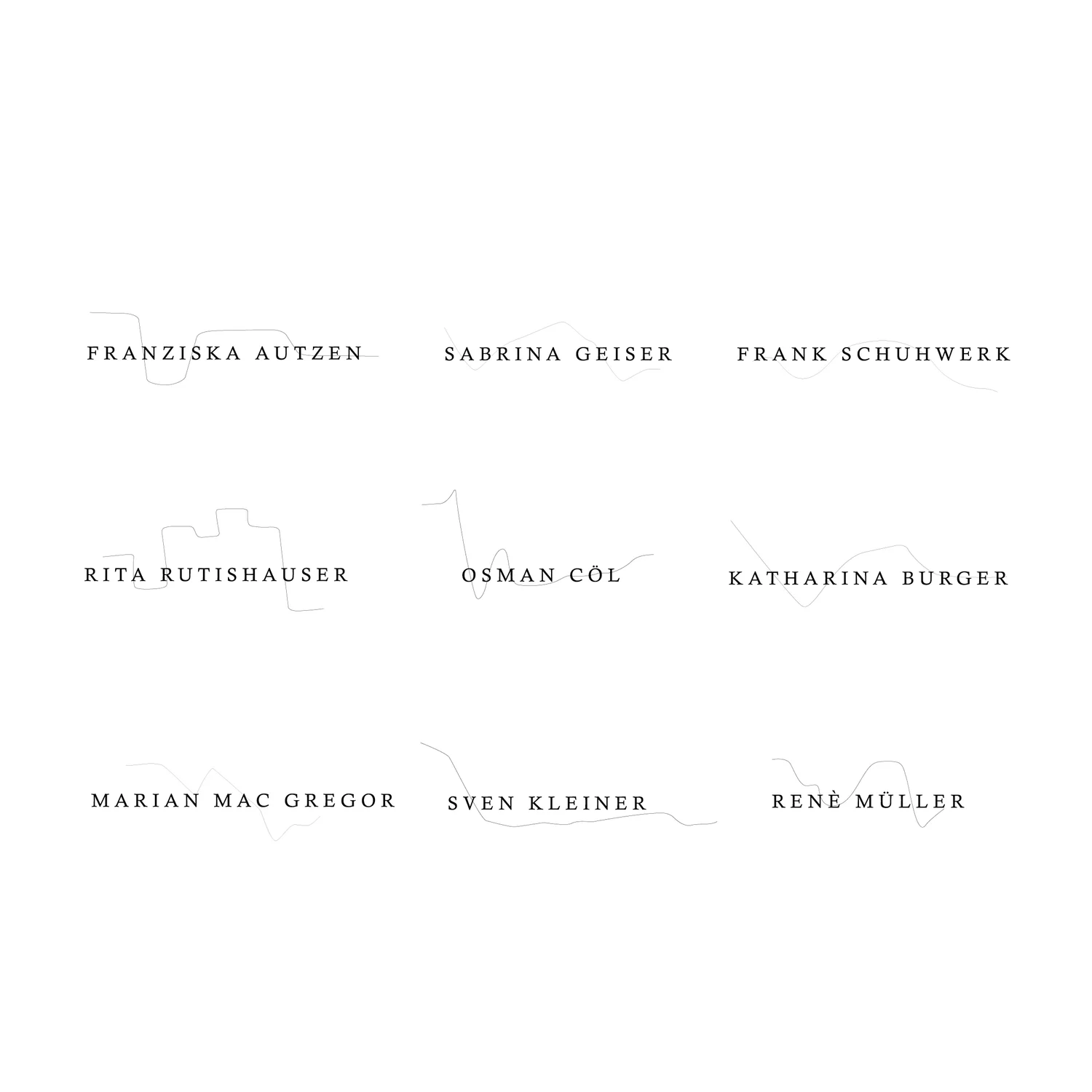
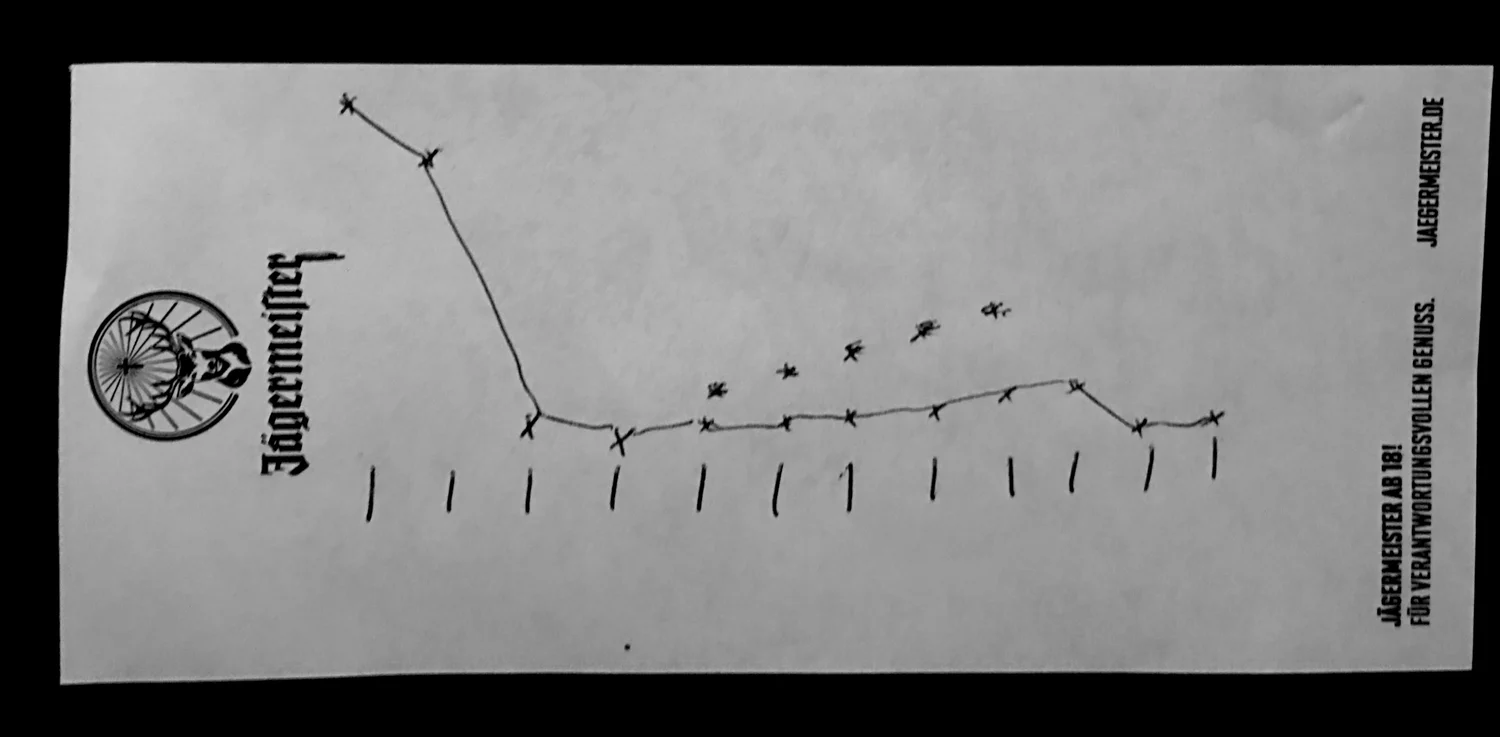
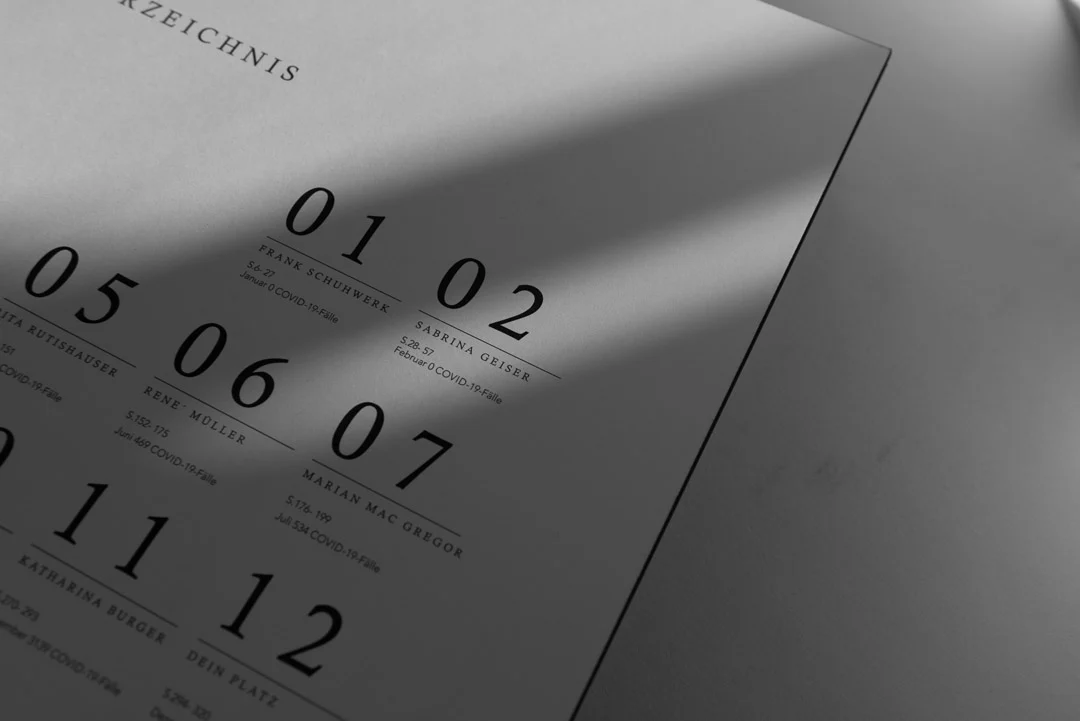
The table of contents is reminiscent of a calendar sheet in which the stories are told in 12 months. In addition to the page numbers, the chapters were given the infection numbers of the respective month from Constance. On the front pages of each chapter about the people, there is always the portrait of the person, a quote which covers the situation of the person well and a description of what the person does. The individual course of the year is found as a graphical line and design element. This line of emotion is again connected in more complete form as a signet with the respective name.
The cover
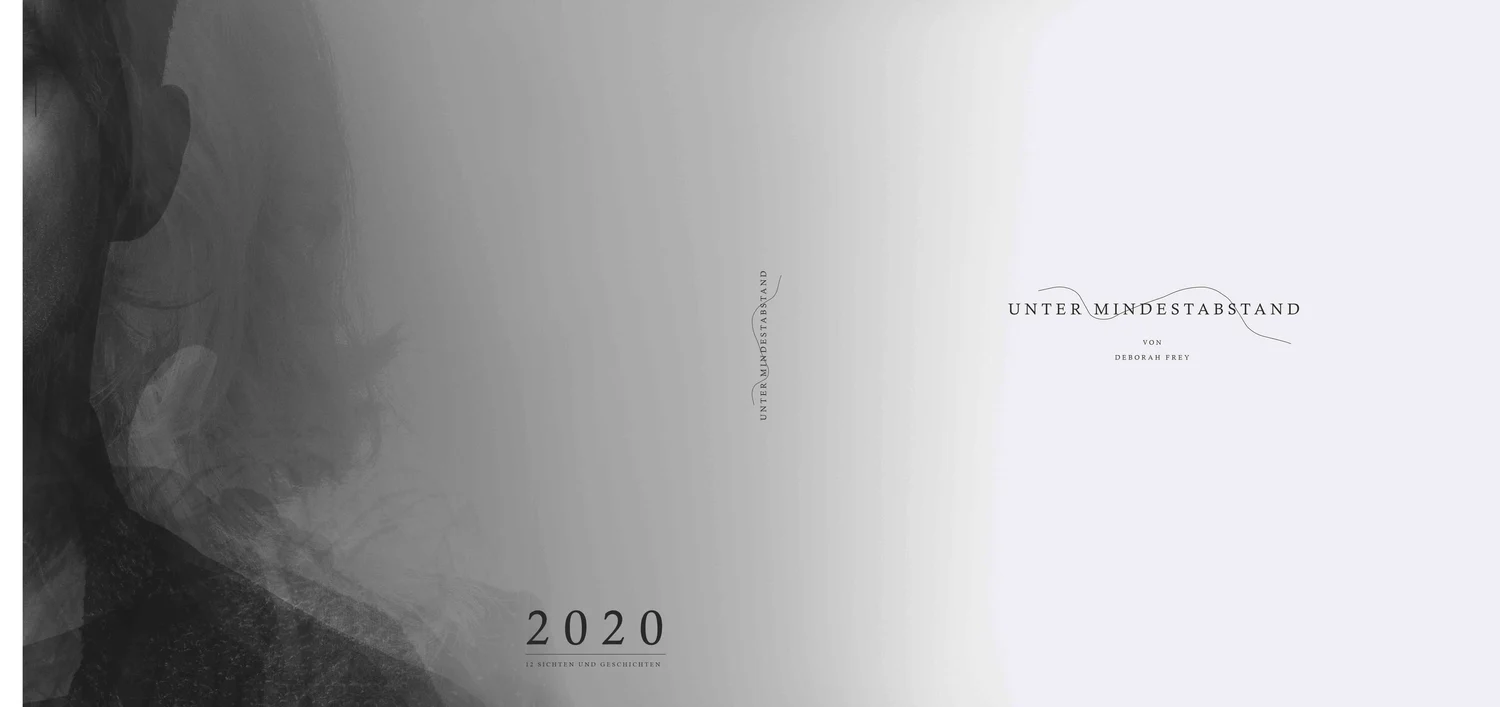
The cover backcover is a collage of all the portrait images that are superimposed on each other as silages due to the transparency and editing. By merging them they make the sum of all stories just as the middle curve gave the logo from the emotions of the interviewees. The gray gradient reduces the image and is designed for the cover so that the title stands on the front. Also, the Corona pandemic laid like a veil on the year 2020 which moves through the gray gradient over the envelope.
Making of
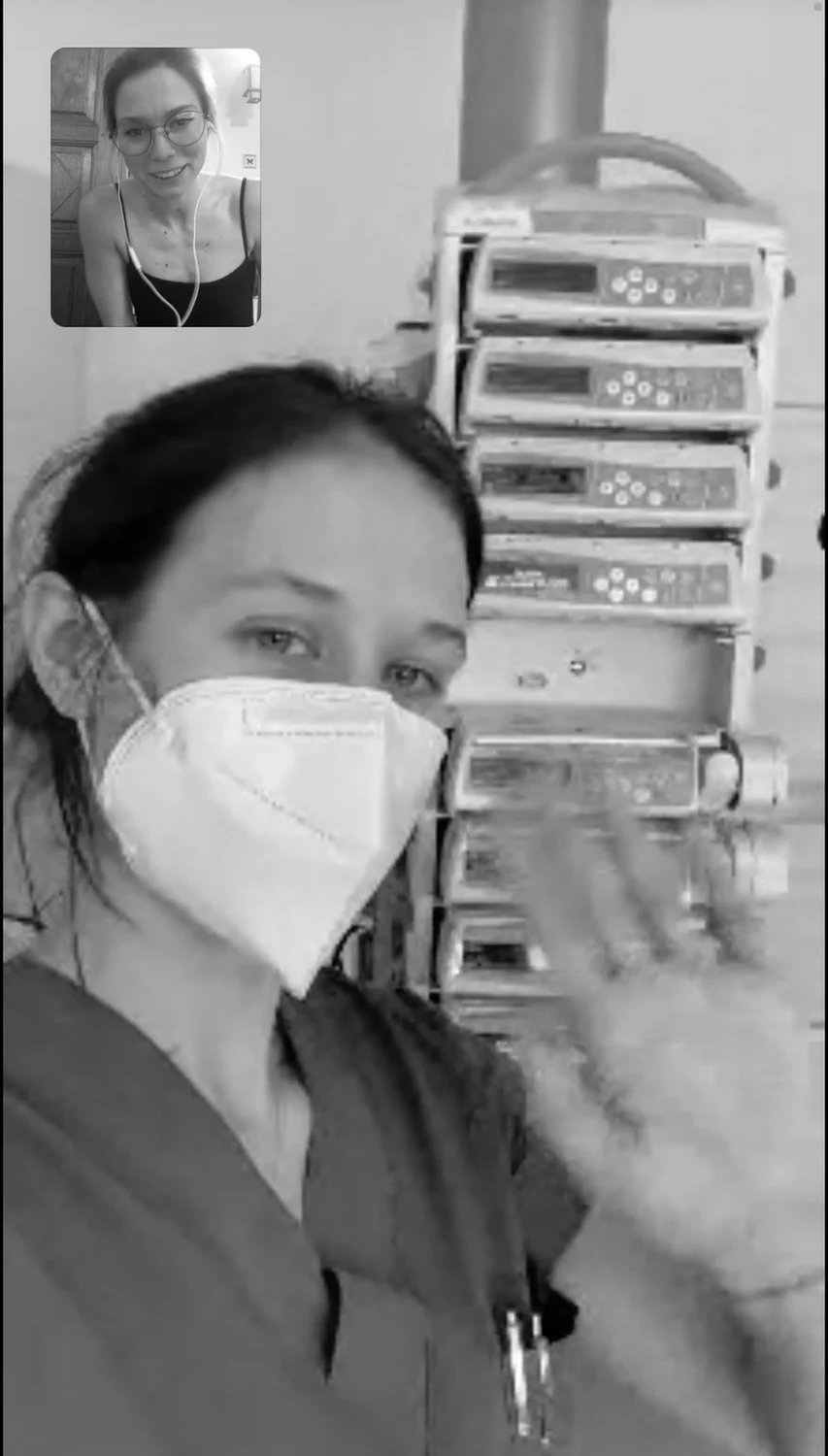
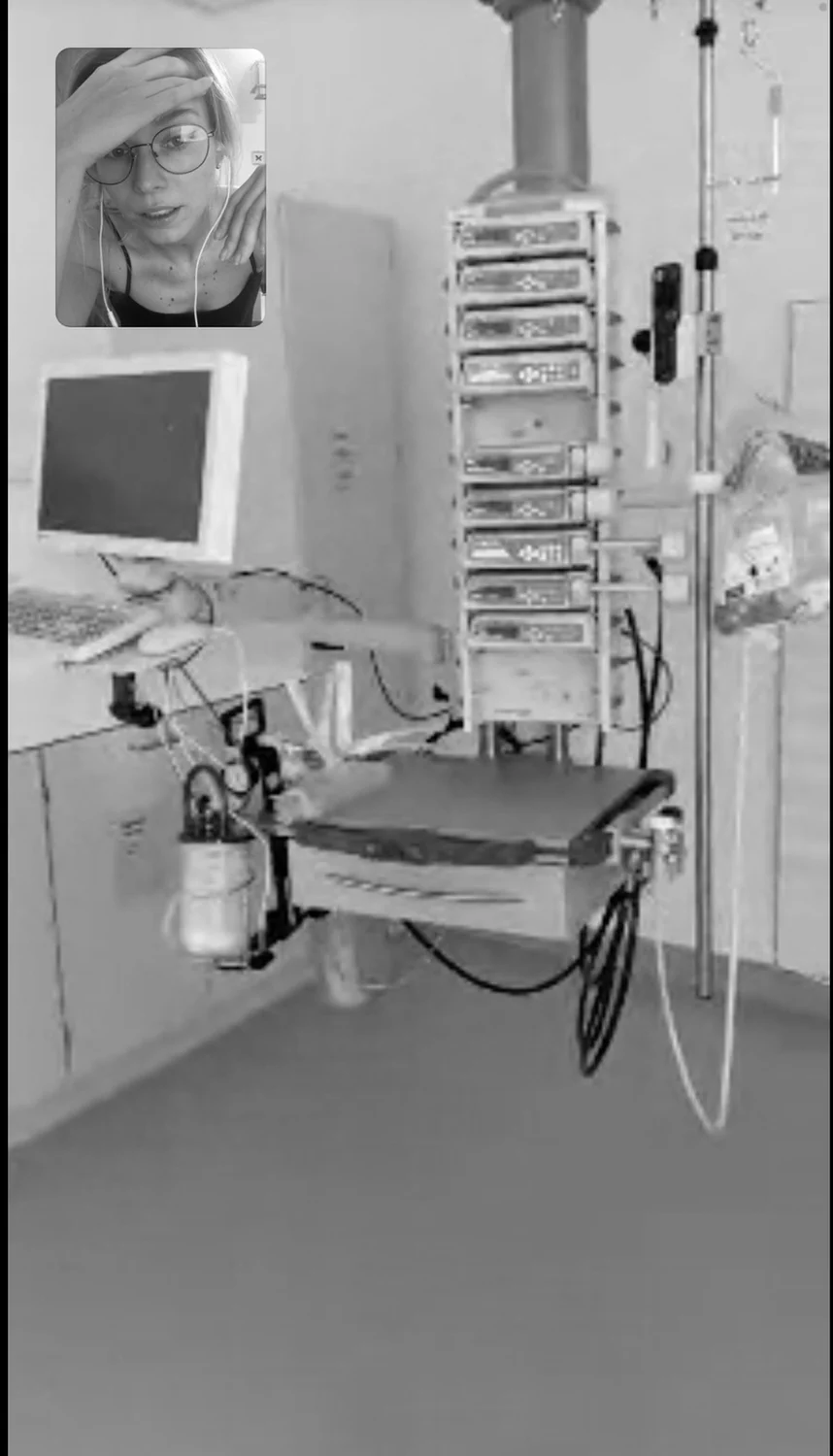
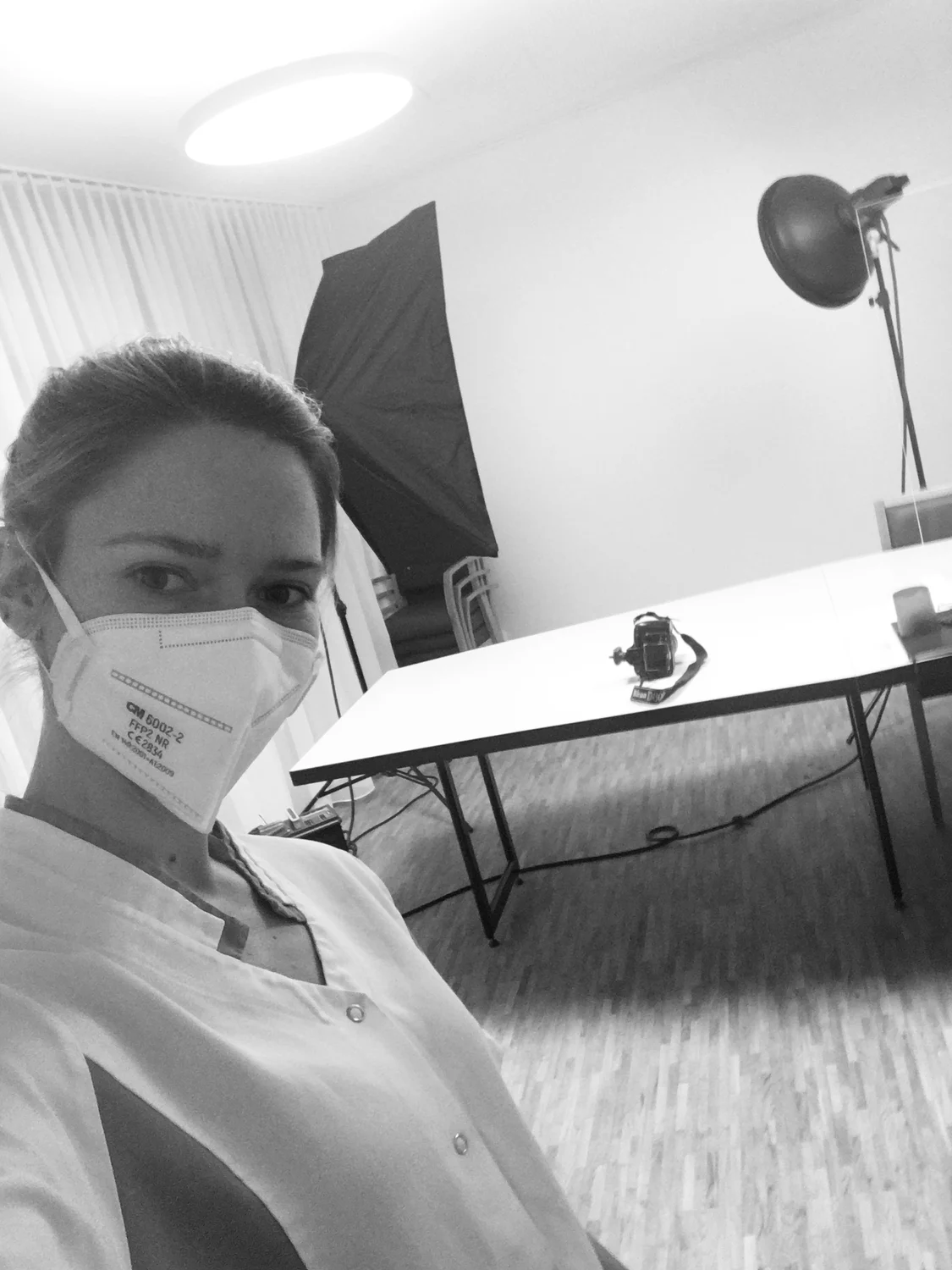
Due to the tense Corona situation, it had to be clarified again and again in advance how the interviews could be implemented under the current measures. For example, permits had to be obtained from the nursing home for the visit and conversation of the resident. During the interviews, an FFP2 mask had to be worn at the minimum distance of 1.50 m and the protection of the opposite party had to be ensured. In four of the interviews, the conversation had to take place digitally and were conducted via Zoom.
Exhibition at the
Theater Konstanz
As part of the opening of the foyer in the city of Theater Konstanz, I was able to exhibit a work from the chapter of the director Franziska Autzen. I was able to talk about my work during the opening speeches and felt very honored to talk about the times of distance and moments of encounter at a place of encounter, the newly renovated foyer.
The works were for sale and some were already allowed to find a new home.